
A painful lump that becomes warm, swollen, tender, or filled with pus may require more than home care. Such symptoms may point to an abscess, a pocket of infected fluid that forms beneath skin or within soft tissue. Prompt medical assessment matters because a growing abscess can cause severe pain, fever, spreading redness, or damage to nearby tissue.
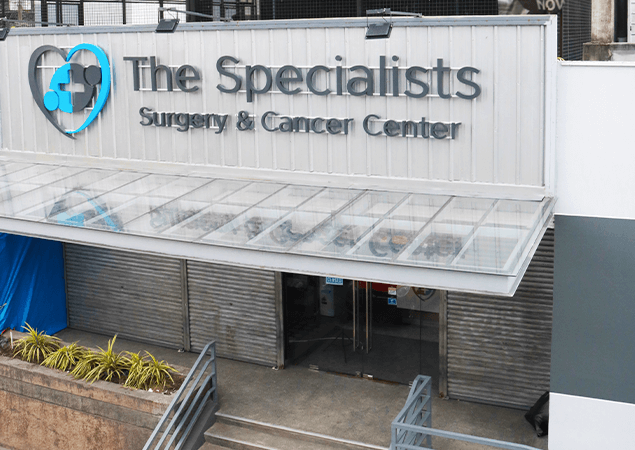
Abscess Incision and Drainage in Quezon City gives patients access to focused outpatient care from qualified surgical professionals. The Specialists Surgery & Cancer Center, also known as TSSCC, provides assessment, minor surgical care, wound guidance, and follow-up support within a comfortable, infection-controlled clinic setting. This approach may spare eligible patients from unnecessary hospital admission while still providing proper surgical attention.
Patients from Quezon City, other parts of Metro Manila, and nearby provinces may seek care at TSSCC for boils, infected cysts, recurring abscesses, or other pus-filled skin infections. Each case requires medical review because abscess size, depth, location, and health history affect the safest treatment plan.
What Is Abscess Incision and Drainage?
Abscess incision and drainage is a minor surgical procedure used to release trapped pus from an infected area. A doctor makes a small opening over the abscess, allows infected fluid to drain, cleans the cavity, and applies a sterile dressing. Some wounds may need packing or a small drain so fluid can continue to leave the area during early healing.
Abscess Incision and Drainage in Quezon City may be recommended when a lump has become painful, soft at its center, filled with pus, or unresponsive to medication. Drainage reduces pressure inside the abscess and helps remove material that may prevent recovery.
Antibiotics may support treatment for selected patients, yet medication alone may not clear a mature abscess. Pus trapped within a closed cavity often needs a physical exit. Medical assessment helps determine whether drainage, medication, testing, or hospital referral offers the safest option.
Why an Abscess May Need Surgical Drainage
A closed abscess creates pressure as pus collects beneath the skin. That pressure often causes throbbing pain, swelling, warmth, and tenderness. As the pocket grows, bacteria may affect nearby skin and soft tissue.
Abscess Incision and Drainage in Quezon City may help relieve pressure and remove infected material. Early care can reduce the chance of wider tissue involvement, though recovery varies from one patient to another.
Delaying treatment may allow redness or swelling to spread. Fever, chills, weakness, or red streaks may also appear. Certain cases can become serious, especially for people with diabetes, reduced immune function, poor circulation, or chronic skin conditions.
Trying to squeeze or puncture an abscess at home can push bacteria deeper, cause bleeding, or create a larger wound. Sterile equipment, proper anesthesia, careful assessment, and safe wound care are key parts of medical drainage.
Common Causes of Skin and Soft-Tissue Abscesses
An abscess may form after bacteria enter a small cut, scratch, puncture, bite, or irritated hair follicle. Blocked oil glands or sweat glands may also trap material and trigger infection.
Common causes may include:
- Boils linked to infected hair follicles
- Ingrown hairs
- Infected epidermoid or sebaceous cysts
- Small wounds or punctures
- Insect bites
- Friction and heavy sweating
- Shaving irritation
- Hidradenitis suppurativa
- Poor blood sugar control
- Reduced immune defenses
- Repeated pressure or skin trauma
Recurring abscesses deserve careful medical review. A doctor may check for an underlying cyst, chronic skin condition, bacterial source, blood sugar concern, or another factor that raises the chance of repeated infection.
Abscess Incision and Drainage in Quezon City may address the active collection of pus, while further care may focus on the cause behind repeated episodes.
Signs You May Need Abscess Incision and Drainage
A small lump does not always require surgery. Yet certain symptoms suggest that prompt assessment would be wise.
Watch for:
- A painful or throbbing lump
- Visible pus
- A soft or raised center
- Redness around the area
- Warm skin
- Growing swelling
- Tenderness that worsens
- Fever or chills
- Foul-smelling fluid
- Red streaks moving away from the lump
- Pain that does not improve
- A lump that returns after prior treatment
Abscess Incision and Drainage in Quezon City may be suitable when pus has collected and the abscess can be treated safely through outpatient care. Deep infections, rapidly spreading redness, severe fever, breathing trouble, neck swelling, or abscesses near the eye may require emergency or hospital-based care.
Types of Abscesses Commonly Treated
Boils often begin as painful red bumps around hair follicles. As pus collects, the center may soften and become more tender. A doctor can assess whether warm compresses, medication, drainage, or another step suits the case.
Infected cysts may look like round lumps beneath the skin. Once infected, they can become red, sore, swollen, and filled with thick material. Drainage may treat the active infection, while later cyst removal may be discussed after swelling has settled.
Ingrown hairs can create abscesses around the beard, groin, armpit, legs, or scalp. Repeated shaving, friction, or tight clothing may raise irritation around these areas.
Hidradenitis suppurativa may cause repeated painful nodules, tunnels, or abscesses around skin folds. Such cases often need broader medical care beyond one drainage procedure.
Abscess Incision and Drainage in Quezon City may also be considered for selected soft-tissue abscesses after a surgeon checks depth, location, and nearby structures.
Who May Benefit From Abscess Incision and Drainage in Quezon City?
Adults, teenagers, seniors, and patients with recurring skin infections may need surgical assessment. People with diabetes should seek early review because wounds may heal more slowly and infection may worsen faster.
Other patients who may benefit include those with:
- A pus-filled lump that keeps growing
- Severe local pain
- Fever linked to a skin infection
- A boil or cyst that has not improved
- Repeated abscesses
- A weakened immune system
- Skin trauma caused by work, sports, sweat, or friction
- Prior drainage followed by renewed swelling
TSSCC evaluates each patient before recommending Abscess Incision and Drainage in Quezon City. Some cases may need imaging, laboratory testing, culture testing, specialist review, or referral to a hospital.
What Happens Before the Procedure?
The consultation usually starts with a review of symptoms, medical history, allergies, current medication, and prior abscess episodes. Patients should mention diabetes, blood-thinning medication, immune concerns, pregnancy, recent antibiotic use, or past reactions to anesthesia.
The doctor examines the size, location, tenderness, skin changes, and possible depth of the abscess. Fever, spreading redness, or signs of deeper infection may affect where treatment should take place.
For a straightforward case, Abscess Incision and Drainage in Quezon City may be completed during an outpatient visit. The surgical team explains anesthesia, drainage, dressing care, follow-up needs, and possible warning signs before treatment.
A fixed treatment time cannot apply to every patient. Preparation, abscess size, depth, location, drainage needs, and wound dressing all affect visit length.
How Abscess Incision and Drainage Is Performed
The treatment area is cleaned with an antiseptic solution. Local anesthesia is then given to reduce discomfort around the abscess. A brief stinging feeling may occur while the anesthetic is placed.
After numbness develops, the surgeon creates a small opening over the collection. Pus and infected material are released. The cavity may be gently cleaned or rinsed. A specimen may be sent for culture testing when the infection is severe, recurring, unusual, or unresponsive to prior medication.
Some wounds need packing to keep the opening from closing too early. Others may need a small drain. A sterile dressing is placed before the patient leaves.
Abscess Incision and Drainage in Quezon City focuses on safe removal of trapped fluid, patient comfort, proper wound care, and follow-up. Many abscess wounds are not stitched closed because continued drainage may be needed.
Does the Procedure Hurt?
Pain levels vary. The abscess itself may already feel very sore before treatment. Local anesthesia helps reduce sharp pain during drainage, though pressure or movement may still be felt.
Many patients report less throbbing pressure after pus is released. Tenderness can continue during early healing, especially with larger or deeper abscesses.
TSSCC provides comfort-focused care for Abscess Incision and Drainage in Quezon City. Patients should tell the surgical team about severe pain, anxiety, medication allergies, or past anesthesia concerns before treatment starts.
Recovery and Wound Care After Drainage
Recovery depends on abscess size, depth, location, overall health, and whether packing or a drain was placed. Patients receive wound care directions before leaving the clinic.
Common aftercare steps may include:
- Keep the dressing clean and dry.
- Change the dressing as directed.
- Wash hands before and after wound care.
- Do not squeeze or press the treated area.
- Take prescribed medicine correctly.
- Return for packing removal or wound review.
- Avoid activity that rubs or strains the area.
- Follow bathing guidance from the surgeon.
- Watch for renewed swelling, fever, or spreading redness.
Abscess Incision and Drainage in Quezon City may require one or more follow-up visits. Follow-up allows the doctor to check drainage, healing, pain, and signs of persistent infection.
Seek prompt care for high fever, heavy bleeding, worsening pain, bad odor, growing redness, renewed pus, dizziness, weakness, or swelling that returns.
Will Antibiotics Be Needed?
Not every abscess requires antibiotics after drainage. A doctor may prescribe medication when fever, cellulitis, diabetes, reduced immunity, multiple abscesses, severe symptoms, difficult body location, or wider infection is present.
Patients should take antibiotics exactly as prescribed and complete the full course unless the treating doctor gives different advice. Leftover medication or antibiotics prescribed for another person should not be used.
Abscess Incision and Drainage in Quezon City treats the pus collection, while antibiotics may help manage surrounding bacterial infection for selected patients.
Special Care for Patients With Diabetes
Diabetes may slow healing and raise the risk of infection. High blood sugar can affect circulation, immune response, and tissue repair. Even a small abscess may worsen quickly for some patients.
People with diabetes should not delay assessment for a painful lump, pus, redness, warmth, or fever. Foot abscesses deserve special attention because reduced sensation may hide the true severity of a wound.
Abscess Incision and Drainage in Quezon City may be offered after careful review of blood sugar control, wound location, circulation, medication, and overall health. Closer follow-up may be recommended.
Why Home Drainage Is Unsafe
Puncturing an abscess with a needle, blade, or household tool can cause serious problems. Nonsterile equipment may add new bacteria. Pressure may force infected material deeper. Bleeding, nerve injury, scarring, and damage to nearby structures may occur.
Applying harsh chemicals, unknown herbal mixtures, or irritating substances may also damage skin and delay proper treatment.
Warm compresses may offer comfort for a small superficial lump, but worsening pain, swelling, pus, or fever needs medical review. Abscess Incision and Drainage in Quezon City gives patients access to proper assessment, sterile technique, anesthesia, wound care, and follow-up.
When Hospital or Emergency Care May Be Required
Outpatient care is not suitable for every abscess. Emergency or hospital treatment may be needed for:
- Trouble breathing or swallowing
- Swelling around the eye or deep neck
- Rapidly spreading redness
- Severe fever or chills
- Confusion or extreme weakness
- Black, gray, or dying tissue
- Severe pain beyond the visible area
- Uncontrolled bleeding
- Suspected deep-organ infection
- A medically fragile patient
- Need for general anesthesia or overnight monitoring
TSSCC may refer a patient to a hospital when advanced imaging, emergency support, broader surgery, or close monitoring is required. Safe care means selecting the correct setting for each case.
Cost of Abscess Incision and Drainage in Quezon City
Cost varies according to abscess size, depth, location, anesthesia, culture testing, medication, dressings, packing, and follow-up needs. A medical assessment gives the clinic enough detail to prepare a more accurate estimate.
Outpatient treatment may reduce expenses linked to hospital admission for suitable cases. Price should not be the only factor. Surgical skill, sterile technique, correct diagnosis, wound guidance, and follow-up also matter.
The Specialists Surgery & Cancer Center aims to provide practical, accessible care for patients seeking Abscess Incision and Drainage in Quezon City.
Why Choose The Specialists Surgery & Cancer Center?
TSSCC offers outpatient surgical care within a patient-friendly setting. The clinic supports accurate assessment, infection-control measures, clear treatment guidance, and recovery-focused follow-up.
Patients may choose TSSCC for:
- Qualified surgical care
- A comfortable outpatient facility
- Careful medical assessment
- Clear wound instructions
- Practical treatment options
- Follow-up support
- Access for Quezon City and nearby areas
- Referral support when hospital care is safer
Abscess Incision and Drainage in Quezon City at TSSCC is planned around each patient’s symptoms, medical history, abscess location, and overall condition. No two cases are exactly alike, so proper consultation remains the first step.
Preparing for Your Appointment
Bring a list of current medication, allergies, prior test results, and health conditions. Tell the doctor about diabetes, immune concerns, blood thinners, pregnancy, prior abscesses, or recent antibiotics.
Wear loose clothing that allows easy access to the affected area. Avoid squeezing, cutting, or pressing the abscess before your visit. Ask about dressing care, bathing, work, exercise, medication, and follow-up before leaving.
Patients seeking Abscess Incision and Drainage in Quezon City should arrange transport or a companion when advised by the clinic, especially when pain, weakness, or wound location may make travel difficult.
Seek Early Assessment for a Painful Abscess
A swollen, painful, warm, or pus-filled lump should not be ignored. Early assessment may reduce discomfort, guide safe drainage, and help prevent wider infection.
The Specialists Surgery & Cancer Center provides Abscess Incision and Drainage in Quezon City for eligible outpatient cases. Patients receive surgical assessment, comfort-focused treatment, wound care directions, and follow-up support. Severe or complex cases are referred to hospital care when needed.
Frequently Asked Questions
Can an abscess heal without drainage?
A very small superficial abscess may drain naturally, but many painful or mature abscesses require medical review. A doctor can assess whether observation, medication, drainage, or hospital care is appropriate.
Can antibiotics cure an abscess without surgery?
Antibiotics may help with surrounding infection, but trapped pus often needs drainage. Abscess Incision and Drainage in Quezon City may be recommended when a closed pocket of pus has formed.
Is abscess drainage an outpatient procedure?
Many uncomplicated cases can be treated at an outpatient surgical clinic. Deeper, larger, rapidly spreading, or high-risk infections may require hospital care.
How long does healing take?
Healing time depends on abscess size, depth, location, health status, and wound care. A small wound may improve faster than a large or deep cavity. Follow-up visits help track recovery.
Will the wound be stitched?
Many abscess wounds are left partly open so fluid can continue to drain. The surgeon chooses the safest wound approach based on each case.
Can an abscess return after drainage?
Yes. Recurrence may occur when an underlying cyst, chronic skin disorder, bacterial source, blood sugar concern, or immune issue remains. Further evaluation may be needed.
How often should the dressing be changed?
Dressing frequency depends on wound size and drainage. Follow the exact schedule given by the surgical team.
Can patients with diabetes receive this procedure?
Yes, subject to medical assessment. Patients with diabetes may need closer wound monitoring, blood sugar management, and more frequent follow-up.
When should urgent care be sought after drainage?
Seek urgent help for high fever, worsening pain, heavy bleeding, spreading redness, foul odor, renewed swelling, weakness, dizziness, or increasing pus.
Where can patients get Abscess Incision and Drainage in Quezon City?
The Specialists Surgery & Cancer Center provides assessment and outpatient abscess drainage for eligible patients from Quezon City, Metro Manila, and nearby provinces. A consultation is needed to confirm the safest treatment setting.