Pain during sex can feel isolating, frustrating, or difficult to discuss. Yet recurring genital or pelvic discomfort deserves respectful attention and thoughtful care. Dyspareunia treatments should focus on possible causes, personal symptoms, medical history, and physical findings rather than apply one standard method to every patient.
Dyspareunia refers to lasting or recurring genital pain that occurs before, during, or after sexual activity. Symptoms may include burning, aching, throbbing, pain near the vaginal opening, deep pelvic pain, or soreness that lasts after sex. Such discomfort may also occur with tampon use or pelvic examinations. Mayo Clinic advises people with recurring pain during sex to speak with a healthcare professional because care should address the source of the problem.
Osteopractic Physical Therapy of Central Indiana, also known as OPTCI, offers a natural healing and strengthening approach for people whose symptoms involve muscle tension, restricted movement, poor coordination, scar sensitivity, or related musculoskeletal factors. Care at the Fishers, Indiana, clinic aims to find likely contributors, address problem areas, and help each client pursue better physical function without routine reliance on medications, injections, or surgery.
What Is Dyspareunia?
Dyspareunia is a medical term for recurring pain connected with sexual activity. Some people feel discomfort only when penetration begins. Others feel deep pelvic pain during thrusting, burning around the vulva, aching across the pelvis, or throbbing that continues for hours afterward. Dyspareunia may occur every time, only with certain positions, or during specific phases of life.
Pain location offers useful clues, though location alone cannot confirm a diagnosis. Entry pain may relate to dryness, irritated tissue, pelvic floor tightness, vulvar pain, scar sensitivity, or vaginismus. Deep pain may relate to endometriosis, ovarian cysts, pelvic conditions, prior surgery, restricted hip or spinal movement, or protective muscle guarding. A proper medical assessment helps sort through these possibilities.
Dyspareunia treatments work best when care starts with a clear review of symptoms. Helpful details may include where pain occurs, what it feels like, when it began, which activities trigger it, how long it lasts, and whether urinary, bowel, menstrual, or back symptoms occur as well.
Common Signs Linked With Dyspareunia
Symptoms vary greatly from one person to another. Some people describe sharp pain at first penetration. Others report deep aching, pelvic pressure, burning, muscle spasms, or soreness after sexual activity. Pain may also make tampon use or pelvic examinations difficult.
Repeated discomfort can create an understandable guarding response. A person may tense pelvic muscles because pain feels likely. That tension may then make penetration more difficult, which may lead to greater fear during future attempts. Dyspareunia treatments may need to address both physical sensitivity and the learned pain-guarding response.
Other signs may include hip tightness, low-back discomfort, pelvic heaviness, urinary urgency, constipation, or pain after prolonged sitting. Such symptoms do not always occur, but they may help a clinician see whether pelvic floor muscles, nerves, joints, or nearby soft tissues contribute.
What Can Cause Pain During Sex?
Pain during sex has many possible causes. The American College of Obstetricians and Gynecologists notes that gynecologic conditions, such as ovarian cysts or endometriosis, may cause pain. Sexual response concerns, including low arousal or reduced lubrication, may also play a role.
Pelvic floor overactivity represents another possible factor. Pelvic floor muscles should tighten and relax as needed. When those muscles remain tense, painful, or poorly coordinated, penetration may become difficult. Some people also develop tender points, restricted tissue, or altered breathing patterns that keep the pelvis guarded.
Hormonal shifts may affect vaginal moisture and tissue comfort. Menopause, childbirth, breastfeeding, and certain medicines may contribute to dryness or tissue sensitivity. Mayo Clinic notes that lower hormone levels after childbirth or during breastfeeding may cause vaginal dryness and affect sexual desire.
Other possible contributors include vulvodynia, vestibulodynia, vaginal infections, skin irritation, endometriosis, ovarian cysts, pelvic surgery, childbirth injuries, scar tissue, nerve sensitivity, hip stiffness, back problems, or past trauma. Stress, fear, relationship strain, and earlier painful experiences may also affect muscle guarding and symptom severity.
Because several factors may occur together, dyspareunia treatments often require coordinated care. A gynecologist may address infection, hormonal change, endometriosis, skin conditions, or another medical concern. A pelvic health physical therapist may address muscle tension, movement limits, scar sensitivity, breathing mechanics, or coordination problems. Counseling or sex therapy may support people affected by fear, anxiety, trauma, or relationship stress.
Why Proper Assessment Matters Before Dyspareunia Treatments
A good assessment helps prevent guesswork. Recurring pain should not automatically be blamed on pelvic floor weakness, nor should every patient receive Kegel exercises. Some pelvic floor muscles already stay too tight. More squeezing may increase discomfort rather than reduce it.
Medical assessment may include questions about symptom patterns, menstruation, childbirth, surgery, medication, infection risk, dryness, bleeding, urinary concerns, bowel concerns, and sexual history. ACOG states that dyspareunia, abnormal bleeding, pelvic pain, vaginal dryness, urinary problems, or trouble inserting a tampon may justify a pelvic examination based on symptoms and history.
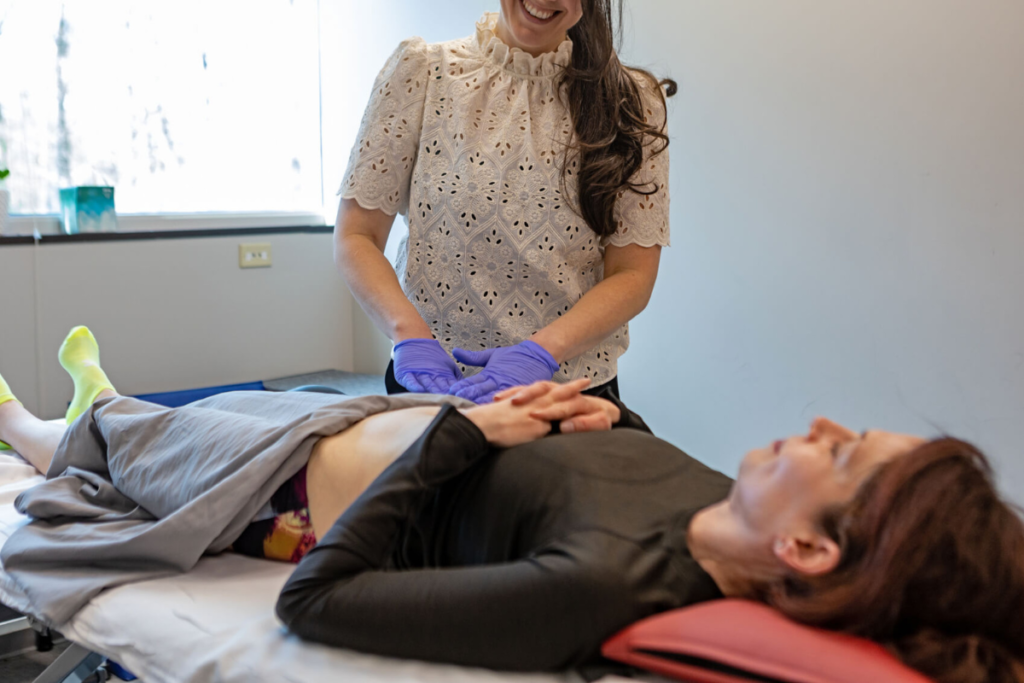
A physical therapy assessment may review posture, breathing, hip mobility, spinal movement, abdominal control, muscle coordination, pain sensitivity, and functional goals. Any pelvic floor examination should be explained clearly, completed only with consent, and adjusted according to comfort. Patients should remain free to pause or decline any part of the assessment.
At OPTCI, care begins with a comprehensive biomechanical assessment designed to identify likely causes rather than focus only on the painful area. Findings may show how the hips, lower back, abdomen, breathing pattern, pelvic floor, or scar tissue affect symptoms. That information supports a focused plan based on each client’s needs and goals.
Dyspareunia Treatments Based on the Cause
Effective dyspareunia treatments may combine several forms of care. The right plan depends on the cause, symptom severity, personal goals, and medical findings.
Medical care may address infection, hormonal changes, endometriosis, ovarian cysts, dermatologic conditions, or medication side effects. A qualified prescriber may recommend hormonal or nonhormonal options when dryness or menopausal tissue changes contribute. Such choices require medical review because benefits and risks differ by patient.
Pelvic floor physical therapy may help when symptoms involve overactive muscles, poor coordination, restricted tissue, scar sensitivity, or musculoskeletal problems. ACOG notes that pelvic floor physical therapy may be offered for pain or other pelvic concerns. Dilators may also be suggested for penetration difficulty.
Counseling or sex therapy may support people affected by fear, anxiety, trauma, avoidance, or relationship tension. This support does not mean the pain is imaginary. Physical pain and emotional responses often affect each other, especially after repeated painful experiences.
Comfort strategies may include suitable lubricant, slower pacing, longer arousal time, position changes, and clear communication with a partner. Mayo Clinic notes that position changes, communication, and longer foreplay may help some people reduce discomfort. These steps may support comfort, but persistent pain still deserves professional assessment.
How Pelvic Floor Physical Therapy May Support Dyspareunia Treatments
Pelvic floor physical therapy aims to improve muscle function, tissue comfort, movement, and body awareness. Treatment should match assessment findings rather than rely on one exercise list.
Breathing work may help reduce guarding. Slow diaphragmatic breathing encourages coordinated movement between the diaphragm, abdomen, and pelvic floor. Relaxation training may help a patient notice unnecessary tension and practice releasing it. ACOG lists diaphragmatic breathing, biofeedback, and pelvic floor therapy among approaches used for chronic pelvic pain.
Manual therapy may address tender muscles, restricted connective tissue, or scar sensitivity when appropriate. Such care should always respect consent, privacy, and symptom tolerance. Research reviews suggest pelvic floor rehabilitation and selected manual approaches may reduce pain for some people with dyspareunia, though methods and evidence quality vary across studies.
Mobility work may address stiff hips, limited spinal movement, or restricted pelvic motion. Strength work may follow once excessive tension and pain settle. The goal is not simply stronger muscles. The goal is better timing, relaxation, control, and support across daily movement and intimate activity.
Education also forms a major part of dyspareunia treatments. Patients may learn about pain sensitivity, muscle guarding, flare-up strategies, safe pacing, and home exercises. Greater understanding can reduce fear and help patients make informed choices about activity.
OPTCI’s Osteopractic Physical Therapy Approach
OPTCI serves active people who want to live with less pain and regain freedom of movement. Its Osteopractic Physical Therapy approach centers on natural healing, strengthening, and cause-based care.
First, therapists seek the likely source of symptoms through a comprehensive biomechanical assessment. For dyspareunia treatments, that may include discussion of symptom patterns plus a review of breathing, posture, hip mobility, spinal motion, abdominal control, scar sensitivity, and pelvic floor coordination when appropriate.
Next, the therapist builds a personal treatment plan around the client’s goals, medical history, health restrictions, and comfort. Care may include relaxation training, mobility exercises, manual techniques, movement retraining, strength work, education, and home strategies. Each step should progress according to the client’s response.
After current symptoms become more manageable, care may shift toward lasting physical function. That phase may focus on movement confidence, strength, coordination, self-management, and prevention. OPTCI’s goal is to help clients return to valued activities and maintain better physical health over time.
What to Expect During a First Visit
A first visit should begin with a private conversation. The therapist may ask about pain location, symptom timing, sexual activity triggers, childbirth, surgery, menstrual concerns, urinary symptoms, bowel symptoms, injuries, back pain, hip pain, and personal goals.
A movement assessment may follow. The therapist may observe breathing, posture, hip motion, spinal mobility, abdominal control, and muscle coordination. A pelvic floor assessment may be considered when clinically suitable, allowed by professional scope, and accepted by the patient. Consent should remain active throughout the visit.
The therapist should explain findings using clear language. Patients deserve to know which factors may contribute, what dyspareunia treatments may help, what home steps are appropriate, and when medical referral may be needed.
No patient should feel pressured to accept an examination or technique. Respect, privacy, communication, and choice matter throughout pelvic health care.
Who May Benefit From Physical Therapy?
Physical therapy may form part of dyspareunia treatments for people with pelvic floor tightness, muscle spasms, poor relaxation, scar sensitivity, hip stiffness, low-back pain, movement restrictions, or pain-related guarding.
Postpartum patients may benefit when childbirth recovery involves scar discomfort, pelvic muscle changes, dryness, weakness, tension, or altered coordination. People with vaginismus may also receive pelvic floor therapy as one part of care. Cleveland Clinic describes vaginismus as involuntary vaginal muscle tightening and lists pelvic floor therapy, talk therapy, and vaginal dilation among common treatment approaches.
Physical therapy may also help after medical providers have treated or ruled out gynecologic causes. Some patients need care from several professionals at once. Shared care may include a gynecologist, pelvic health therapist, primary care clinician, counselor, sex therapist, pain specialist, or another appropriate provider.
How Long Can Dyspareunia Treatments Take?
No fixed timeline applies to every patient. Progress depends on the cause, symptom duration, tissue sensitivity, medical history, stress level, home practice, and response to care.
Early visits may focus on education, breathing, relaxation, pain reduction, and gentle mobility. Later visits may add coordination, gradual tissue exposure, hip or trunk strengthening, and return-to-activity work. Patients with several contributing factors may need a longer plan or support from several providers.
Progress may not follow a straight path. Flare-ups can happen during stressful periods, hormonal shifts, illness, travel, or major activity changes. A useful treatment plan teaches patients how to respond without panic and how to adjust activity while symptoms settle.
When to Seek Medical Care
Recurring or worsening pain during sex deserves medical attention. Seek prompt care for sudden severe pelvic pain, fever, unusual discharge, strong odor, new bleeding, fainting, pregnancy-related pain, or symptoms after trauma or surgery.
Medical review also matters when pain occurs outside sexual activity, affects sleep, limits daily tasks, or comes with urinary or bowel changes. Mayo Clinic advises speaking with a healthcare professional about recurrent painful intercourse because treatment should focus on the cause.
Physical therapy does not replace needed gynecologic care. Rather, it may work alongside medical treatment when muscles, joints, nerves, scars, breathing, or movement patterns contribute.
Why Choose Osteopractic Physical Therapy of Central Indiana?
OPTCI offers cause-focused care for active people seeking less pain and better movement. The clinic’s therapists aim to create a warm, welcoming setting where each client receives thoughtful support.
Care starts by finding likely contributors through a biomechanical assessment. Therapists then address problem areas through a plan built around symptoms, history, restrictions, and personal goals. Once immediate concerns improve, attention shifts toward stronger movement, better control, and lasting physical performance.
For suitable patients, dyspareunia treatments at OPTCI may address pelvic floor tension, hip or spinal restrictions, scar sensitivity, breathing mechanics, and muscle coordination. The clinic’s natural healing and strengthening philosophy offers a conservative option without routine dependence on medication, injections, or surgery.
Frequently Asked Questions About Dyspareunia Treatments
Can Pelvic Floor Physical Therapy Help Dyspareunia?
Pelvic floor physical therapy may help when pain relates to muscle tension, poor relaxation, tender tissue, scar sensitivity, movement restrictions, or poor coordination. Research suggests physical therapy may reduce pain and improve function for some patients, though results vary.
Are Dyspareunia and Vaginismus the Same?
No. Dyspareunia broadly refers to recurring pain linked with sexual activity. Vaginismus commonly involves involuntary pelvic muscle tightening that makes penetration painful, difficult, or impossible. Both conditions may occur together, and both may benefit from coordinated care.
Does Pelvic Floor Therapy Always Require an Internal Examination?
No. Assessment choices depend on symptoms, clinical need, professional scope, consent, and patient comfort. A therapist may gather valuable information through discussion, breathing assessment, posture review, hip testing, spinal movement, and external muscle checks.
Can Dyspareunia Happen After Childbirth?
Yes. Possible contributors include scar sensitivity, tissue healing, hormonal changes, dryness, muscle tension, weakness, altered pelvic floor coordination, or fear after a painful birth experience. A gynecologist and pelvic health therapist may help identify relevant factors.
Can Menopause Cause Painful Sex?
Yes. Hormonal changes may lead to dryness, thinner tissue, and greater sensitivity. Medical care may be appropriate because prescription and nonprescription options vary according to health history.
How Many Physical Therapy Visits Are Needed?
Visit count varies. Some patients improve after a brief course, while others need longer support. Cause, symptom duration, medical conditions, home practice, and treatment response all affect timing.
Can Home Exercises Fix Dyspareunia?
Home exercises may help, but generic Kegels are not right for everyone. Pelvic muscles that remain too tense may need relaxation and coordination work before strengthening. An assessment can guide safer exercise choices.
Is Treatment Painful?
Dyspareunia treatments should not force a patient through severe pain. Mild temporary sensitivity may occur with certain techniques, but care should remain within agreed comfort limits. Patients may pause or decline any technique.
Should a Gynecologist Assess Recurring Pain First?
Medical assessment is strongly advised for recurring, severe, unexplained, or worsening pain, especially with bleeding, discharge, fever, urinary concerns, bowel changes, or sudden pelvic pain. Physical therapy may then support recovery when musculoskeletal factors also contribute.
Can Dyspareunia Return After Treatment?
Symptoms may return after hormonal changes, illness, stress, injury, surgery, or changes to activity. Self-management skills, early attention to flare-ups, and follow-up care may help patients respond more effectively.