
Why Choosing the Right Orthopedic Doctor Matters
Healthy bones, joints, and muscles are essential for walking, working, exercising, and performing everyday activities comfortably. When pain, stiffness, an injury, or limited movement begins interfering with normal routines, an orthopedic specialist can help identify the underlying problem. Orthopedic doctors diagnose and manage conditions involving the musculoskeletal system, including bones, joints, muscles, tendons, ligaments, and cartilage. Some patients need orthopedic care after an accident, while others seek help for arthritis, sports injuries, or gradual changes associated with aging. The quality of care can depend on finding a physician with appropriate training and experience for the specific condition being treated. Patients may therefore spend considerable time researching credentials, specialties, treatment options, and healthcare facilities before selecting a provider. Knowing what to look for can make the search for the best orthopedic doctor in the Philippines more focused and informed.
Defining the Best Orthopedic Doctor in the Philippines
The phrase best orthopedic doctor in the Philippines can mean different things depending on the patient’s medical needs. A doctor who specializes in knee injuries may be an excellent choice for one patient but may not have the same area of expertise needed by someone with a complex spinal condition. For this reason, patients should consider specialization and relevant experience instead of relying only on general reputation. Medical qualifications, orthopedic training, professional credentials, and continuing education are useful factors when comparing specialists. Patients should also consider how effectively a doctor communicates medical information and explains available treatment options. A good orthopedic consultation should give patients an opportunity to discuss symptoms, ask questions, and understand the reasoning behind recommended care. The most suitable doctor is generally one whose knowledge, experience, facilities, and approach align with the patient’s particular orthopedic concern.
Conditions Commonly Managed by Orthopedic Specialists
Orthopedic specialists manage a broad range of conditions that affect mobility and physical function. Arthritis can cause persistent pain, stiffness, swelling, and reduced range of motion, particularly in weight-bearing joints. Fractures and dislocations can occur following falls, vehicle accidents, workplace incidents, or sports activities. Ligament, tendon, and cartilage injuries may affect athletes as well as people involved in physically demanding work. Common concerns can include meniscus injuries, rotator cuff problems, tendonitis, bursitis, and other soft-tissue conditions. Some patients may also require orthopedic evaluation for chronic musculoskeletal problems that interfere with walking, lifting, reaching, or other daily activities. Because symptoms can overlap between different conditions, a professional assessment is important for determining an appropriate diagnosis and treatment plan.
Matching Your Condition With the Right Orthopedic Specialty
Orthopedic medicine contains several subspecialties, making it important to match the physician’s expertise with the patient’s needs. A sports medicine specialist may focus on athletic injuries and helping active individuals safely return to physical activity. A joint replacement specialist may have particular experience with advanced arthritis affecting the knee or hip. Orthopedic trauma specialists generally manage serious fractures and complex injuries resulting from accidents. Spine specialists address selected conditions affecting the spinal structures and related musculoskeletal problems. Pediatric orthopedic specialists have additional training for bone, joint, and developmental conditions affecting children. Patients may also find specialists focusing on the shoulder, elbow, hand, wrist, foot, ankle, or other specific areas of orthopedic medicine.
Reviewing Qualifications Before Making a Choice
A doctor’s qualifications provide an important starting point when evaluating an orthopedic specialist. Patients can research medical education, orthopedic residency training, professional licensing, certifications, and additional subspecialty training. Fellowship training may indicate further education in a specific area of orthopedic medicine. Professional memberships and hospital affiliations can provide additional information about a doctor’s professional practice. Continuing education is also valuable because orthopedic care evolves as new diagnostic techniques, procedures, rehabilitation methods, and technologies become available. Patients should avoid evaluating a physician based on a single credential because healthcare decisions require consideration of multiple factors. Reviewing qualifications alongside experience, specialization, communication, and treatment approach can provide a more balanced picture.
How Clinical Experience Can Influence Orthopedic Care
Relevant clinical experience can be particularly important when dealing with complex injuries or conditions requiring specialized procedures. An orthopedic doctor who regularly treats a particular condition may be familiar with different presentations and treatment strategies. Patients can ask whether the doctor frequently manages cases similar to theirs and whether the physician performs the procedure being considered on a regular basis. This information may help patients understand how closely the doctor’s experience matches their situation. Experience should not be viewed as a substitute for current medical knowledge, appropriate diagnostic evaluation, or evidence-based treatment. Patients should also expect the doctor to explain why a specific approach is being recommended. Combining relevant experience with clear communication can help patients make more informed healthcare decisions.
How Orthopedic Conditions Are Diagnosed
A proper orthopedic evaluation usually begins with a detailed discussion of symptoms and medical history. The doctor may ask when the pain began, whether an injury occurred, and which activities affect the symptoms. A physical examination may assess range of motion, strength, joint stability, tenderness, swelling, and other physical findings. X-rays are commonly used to examine bones, fractures, joint alignment, and certain degenerative changes. MRI examinations can provide detailed information about soft tissues such as tendons, ligaments, cartilage, and muscles. CT scans may be useful in selected situations, particularly when more detailed images of complex bone structures are needed. The appropriate diagnostic approach depends on the patient’s symptoms and examination findings, so testing should be tailored to the individual rather than performed automatically.
Nonsurgical Treatment and Rehabilitation
Many orthopedic problems can be managed with nonsurgical treatment depending on the severity and nature of the condition. Physical therapy can help patients improve strength, flexibility, balance, movement, and joint function. Doctors may recommend modifying certain activities to reduce stress on injured or painful areas. Medication may be used in appropriate situations to manage pain or inflammation under professional guidance. Braces, splints, orthotics, or mobility aids can provide support for selected injuries and conditions. Rehabilitation is often an important part of recovery because restoring normal movement may require gradual strengthening and controlled activity. Patients should follow their individualized treatment plan and communicate with their healthcare provider if symptoms change or recovery does not progress as expected.
Understanding When Surgery May Be Needed
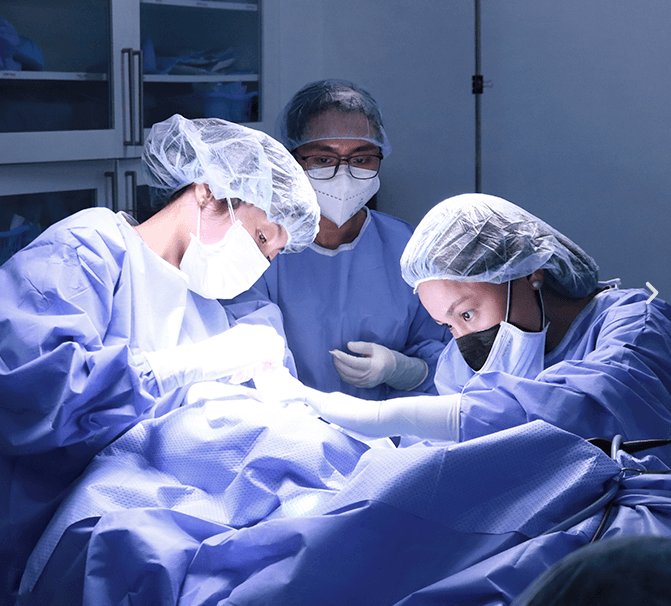
Orthopedic surgery may be considered when structural damage is significant or when other treatments have not provided sufficient improvement. Common procedures include fracture fixation, arthroscopy, ligament reconstruction, tendon repair, and joint replacement. The decision to perform surgery should be based on the patient’s diagnosis, symptoms, functional limitations, overall health, and expected benefits. Before agreeing to an operation, patients should understand the purpose of the procedure and what it is expected to accomplish. They should also ask about possible complications, recovery time, rehabilitation, activity restrictions, and alternatives. A qualified orthopedic surgeon should provide enough information for the patient to participate meaningfully in the treatment decision. When a major procedure is recommended, obtaining a second medical opinion may also provide useful perspective.
The Role of Medical Technology in Orthopedic Care
Technology has become an important part of modern orthopedic diagnosis and treatment. Advanced imaging equipment can help physicians obtain detailed information about bones, joints, and soft tissues. Certain procedures may use minimally invasive techniques that can reduce the size of surgical incisions when clinically appropriate. Modern joint replacement systems and surgical planning tools may also provide additional options for patients with severe joint damage. Rehabilitation programs can incorporate specialized equipment and structured exercise techniques to support recovery. Nevertheless, technology should be considered alongside the expertise of the medical team using it. Qualified professionals, appropriate clinical judgment, patient safety, and effective follow-up remain essential regardless of the equipment available.
Important Questions to Ask During an Orthopedic Consultation
Patients should feel comfortable asking questions during an orthopedic consultation. Asking what may be causing the symptoms can help patients understand their condition and the reasoning behind further testing. Patients can also ask what diagnostic procedures are recommended and why those tests are necessary. If treatment is proposed, it is useful to ask about nonsurgical alternatives and how long those options may reasonably be tried. Patients considering surgery should ask about expected benefits, possible risks, recovery time, rehabilitation, and restrictions following the procedure. It may also be appropriate to ask about the doctor’s experience treating similar conditions. Taking notes during the appointment can help patients remember important information when considering their healthcare options later.
Factors Beyond Medical Credentials
Medical qualifications are essential, but several practical factors can also affect a patient’s healthcare experience. The location of a clinic can be important for patients who need repeated appointments or rehabilitation sessions. Hospital access may matter when diagnostic procedures or surgery are expected. Appointment availability can also be relevant when patients need timely assessment for an injury or worsening condition. Patients may need to consider healthcare coverage, professional fees, diagnostic costs, and other expenses as part of their planning. Communication style can influence whether patients feel comfortable discussing symptoms and treatment concerns. Considering both medical and practical factors can help patients select an orthopedic specialist who fits their circumstances.
Preparing for Your First Orthopedic Appointment
A well-prepared patient can often make better use of an orthopedic consultation. Bring previous medical records, imaging reports, medication information, and details about previous treatments when available. Patients should be prepared to describe when symptoms started and whether they have become more frequent or severe. It can also be helpful to note which activities increase discomfort and whether rest, movement, medication, or other measures provide relief. A list of questions can help ensure that important concerns are addressed during the appointment. Patients should also tell the doctor about previous injuries or surgeries involving the same body area. Providing complete and accurate information gives the orthopedic specialist a better basis for evaluating the condition.
When Orthopedic Symptoms Need Prompt Attention
Certain musculoskeletal symptoms should not be ignored, especially when they occur after significant trauma. Severe pain following an accident can be associated with fractures, dislocations, or other serious injuries. A visible deformity, inability to move a limb normally, or inability to bear weight can require prompt medical assessment. Significant swelling, numbness, weakness, or changes in sensation may also warrant timely evaluation. Patients who suspect that a bone has been fractured should seek professional medical care instead of attempting to manage the injury without assessment. Serious injuries may require emergency medical attention rather than a routine orthopedic appointment. Prompt evaluation can help determine the severity of the problem and reduce the risk of complications from delayed treatment.
Frequently Asked Questions
How do I choose the best orthopedic doctor in the Philippines?
Start by identifying your specific orthopedic concern and then look for a doctor with relevant training and experience. Consider credentials, specialization, hospital affiliations, communication, accessibility, and experience with similar conditions.
What is the difference between an orthopedic doctor and an orthopedic surgeon?
The terms are often used interchangeably because orthopedic physicians are trained to manage musculoskeletal conditions, including surgical and nonsurgical treatment. Some orthopedic specialists focus heavily on particular procedures or subspecialties.
When should I see an orthopedic specialist?
Consider an orthopedic consultation when persistent pain, limited movement, recurring injuries, swelling, or musculoskeletal problems interfere with normal activities. Significant injuries may require more immediate evaluation.
Can an orthopedic doctor treat sports injuries?
Yes. Many orthopedic specialists treat sports injuries involving joints, bones, ligaments, tendons, and muscles. Patients with athletic injuries may benefit from a physician with specific sports medicine experience.
Is surgery always required for severe joint pain?
Not necessarily. The appropriate treatment depends on the underlying diagnosis, severity, functional limitations, overall health, and response to other treatments.
Should I ask for a second opinion?
A second opinion may be useful when the diagnosis is complex, treatment options are unclear, or major surgery has been recommended. Another qualified specialist can provide additional information about potential approaches.
What should I bring to an orthopedic appointment?
Bring medical records, imaging results, medication information, previous treatment details, and a list of symptoms. Preparing questions beforehand can also help you make the most of the consultation.
Takeaway
Choosing the best orthopedic doctor in the Philippines involves evaluating more than a doctor’s reputation or online visibility. Patients should consider professional qualifications, specialized training, relevant clinical experience, hospital access, communication, and familiarity with their particular orthopedic condition. Understanding the different orthopedic subspecialties can make it easier to identify an appropriate physician. Patients should also remember that orthopedic care can include physical therapy, rehabilitation, medication, activity modification, supportive devices, and other nonsurgical options. Surgery may be appropriate for certain conditions, but patients should understand the reasons for a procedure and discuss potential benefits, risks, alternatives, and recovery requirements. Preparing carefully for appointments and asking informed questions can make communication with an orthopedic specialist more productive. When patients take a thoughtful approach to researching their options, they can make better-informed decisions about their bone, joint, and musculoskeletal health.