
Abscesses are painful infections that may develop when bacteria enter damaged skin or body tissues. These infections can cause a pocket of pus to form, leading to swelling, redness, tenderness, and discomfort. While some people may attempt home remedies, an untreated abscess may become larger, more painful, and harder to manage.
Abscess Incision and Drainage in the Philippines is a common surgical procedure designed to remove accumulated pus and help the affected area heal properly. This treatment involves opening the abscess through a controlled medical procedure, allowing the trapped fluid to drain while reducing pressure and discomfort.
The Specialists Surgery & Cancer Center provides accessible surgical care for patients who need professional evaluation and treatment options. Through outpatient procedures, the clinic aims to help patients receive timely medical attention without unnecessary hospital stays, long waiting periods, or added healthcare expenses.
What Is an Abscess?
An abscess is a collection of pus that forms because of an infection. The body creates this pocket as it attempts to fight harmful bacteria. The affected area may become swollen, warm, painful, and sensitive to touch.
Abscesses may appear on different parts of the body, including:
- Skin surfaces
- Underarm areas
- Groin areas
- Buttocks
- Areas around wounds
- Soft tissues affected by infection
Several factors may contribute to abscess formation, such as bacterial infections, blocked oil glands, skin injuries, poor wound healing, or conditions that affect the body’s ability to fight infection.
Although an abscess may start as a small lump, it can gradually increase in size. Early medical assessment helps determine whether drainage, medication, or another form of treatment is needed.
Signs and Symptoms That May Require Medical Attention
Recognizing the warning signs of an abscess can help patients seek care before the condition becomes more complicated. Common symptoms include:
- A painful lump under the skin
- Swelling around the affected area
- Redness and warmth
- Increasing tenderness
- Pus discharge
- Fever or general discomfort
- Difficulty moving due to pain or swelling
Some abscesses may appear minor at first but continue to worsen over time. Pain may increase as pressure builds from the trapped infection. When symptoms continue or become more severe, consulting a qualified healthcare provider is an important step.
Patients searching for Abscess Incision and Drainage in the Philippines should consider professional assessment instead of waiting for the condition to improve without proper care.
Why Abscesses Should Not Be Managed Through Unsafe Home Methods
Many patients delay medical consultation because they hope an abscess will disappear naturally. Others may try squeezing, puncturing, or applying unverified treatments. These approaches may increase the risk of complications.
Attempting to drain an abscess without medical guidance may:
- Push infection deeper into surrounding tissues
- Increase irritation and inflammation
- Delay proper healing
- Create additional wounds
- Increase the possibility of infection spreading
A trained medical professional can assess the abscess and determine the most appropriate treatment option. Proper drainage performed by a doctor allows the procedure to be completed safely while providing guidance for wound care and recovery.
What Is Abscess Incision and Drainage in the Philippines?
Abscess Incision and Drainage in the Philippines refers to a procedure where a doctor creates a small opening on the abscess to release trapped pus. The goal is to reduce pressure, remove infected material, and support the healing process.
Before the procedure, the doctor evaluates the size, location, and condition of the abscess. Each patient receives care based on their specific situation. Some abscesses may require additional treatment depending on the severity of infection and overall health factors.
This procedure is commonly performed as an outpatient service when appropriate. Outpatient care allows patients to return home after treatment, helping them recover comfortably while following medical instructions.
Step-by-Step Process of Abscess Incision and Drainage
Medical Consultation and Assessment
The first step involves a consultation with a qualified doctor. The medical team checks the affected area, reviews symptoms, and determines whether drainage is necessary.
During the assessment, patients may discuss:
- When the abscess started
- Changes in size or pain level
- Previous treatments attempted
- Existing health concerns
- Current symptoms
A complete evaluation helps create a suitable treatment plan.
Preparation Before the Procedure
Before Abscess Incision and Drainage in the Philippines, the affected area is prepared carefully. The doctor cleans the site and may provide local anesthesia to help reduce discomfort during the procedure.
The medical team explains what patients can expect before starting treatment. Clear instructions help patients feel more comfortable and informed throughout the process.
Drainage Procedure
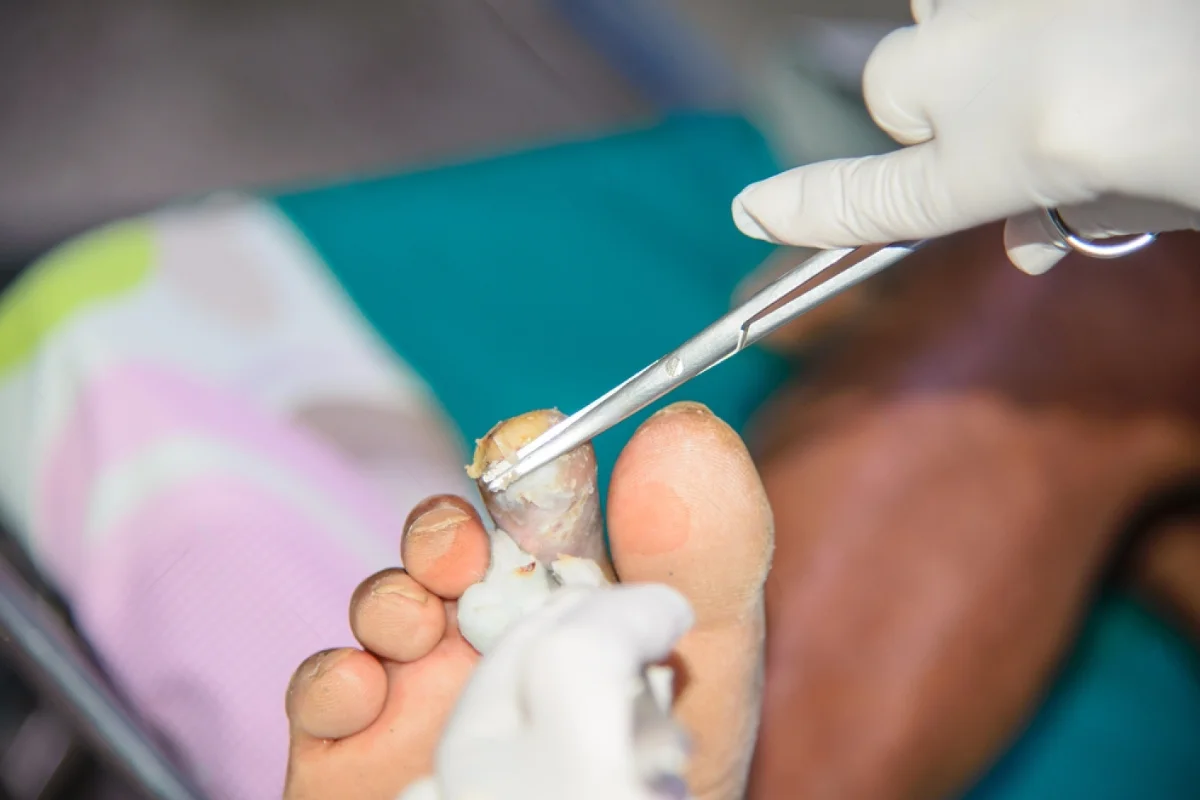
During the procedure, the doctor creates a small opening to allow pus and infected fluid to drain. The area is cleaned properly, and the medical team provides wound care instructions after the drainage.
The purpose of the procedure is not only to remove fluid but also to support proper recovery and reduce ongoing discomfort caused by pressure from the abscess.
Recovery Instructions
After drainage, patients receive guidance on caring for the treated area. Recovery steps may include:
- Keeping the wound clean
- Changing dressings as instructed
- Taking prescribed medication when needed
- Monitoring healing progress
- Returning for follow-up consultation if advised
Following medical guidance supports better recovery and helps identify possible concerns early.
Benefits of Choosing Professional Abscess Treatment
Seeking professional care for an abscess offers several benefits for patients.
Relief From Pain and Pressure
A drained abscess often provides relief because the built-up fluid causing pressure is removed. Patients may experience improved comfort after treatment.
Proper Infection Management
Professional Abscess Incision and Drainage in the Philippines helps ensure that drainage is performed using proper medical techniques. Doctors can assess whether additional care is needed based on the patient’s condition.
Better Wound Care Support
Patients receive instructions that help protect the treated area during recovery. Proper wound management may support healing and reduce the chance of recurring problems.
Reduced Risk of Delayed Treatment
Early consultation may prevent a minor condition from becoming more difficult to manage. Receiving appropriate care at the right time may help patients avoid more extensive procedures later.
Why Choose The Specialists Surgery & Cancer Center for Abscess Incision and Drainage in the Philippines?
The Specialists Surgery & Cancer Center was established in 2018 as a social enterprise focused on providing trustworthy and accessible healthcare services. The clinic works with experienced doctors to deliver surgical and diagnostic care designed around patient needs.
Patients choose The Specialists Surgery & Cancer Center because of its commitment to:
- Accessible surgical services
- Affordable healthcare options
- Outpatient procedures when suitable
- Patient-focused medical support
- Reduced unnecessary hospital visits
The clinic understands that many Filipinos delay medical care because of concerns about expenses, long waiting periods, and hospital environments. Through professional outpatient services, The Specialists Surgery & Cancer Center helps patients seek medical attention sooner.
Located in Quezon City, Metro Manila, the clinic serves patients seeking reliable surgical care and aims to make quality healthcare easier to access.
What Patients Can Expect During Their Visit
A visit for Abscess Incision and Drainage in the Philippines begins with proper consultation and evaluation. Patients can expect a process focused on safety, communication, and personalized care.
The patient journey may include:
- Consultation with a doctor
- Physical assessment of the abscess
- Discussion of available treatment options
- Procedure scheduling when drainage is recommended
- Recovery instructions and follow-up guidance
The medical team helps patients understand their condition and the available options before proceeding with treatment.
How Much Does Abscess Incision and Drainage Cost in the Philippines?
The cost of Abscess Incision and Drainage in the Philippines may vary depending on several factors, including:
- Size and location of the abscess
- Complexity of the procedure
- Consultation needs
- Medication requirements
- Wound care needs
- Follow-up services
Choosing affordable surgical care may encourage patients to seek medical advice earlier rather than waiting until symptoms become worse. Early attention can help reduce discomfort and support better health decisions.
Recovery After Abscess Incision and Drainage
Recovery after Abscess Incision and Drainage in the Philippines depends on the condition of the abscess and the patient’s overall health. Many patients can continue recovery at home after receiving proper instructions from their healthcare provider.
Patients should:
- Follow wound care instructions carefully
- Keep the area clean
- Monitor changes around the wound
- Take medications as prescribed
- Attend follow-up appointments when recommended
Patients should contact their doctor if they notice worsening pain, increasing redness, fever, unusual discharge, or other concerning changes.
Takeaway Early Treatment Supports Better Abscess Recovery
Abscesses require proper medical assessment to determine the safest treatment option. Delaying care or attempting unsafe home drainage may lead to additional problems and longer recovery.
Abscess Incision and Drainage in the Philippines provides a practical treatment option for patients who need professional abscess management. Through accessible outpatient surgical services, The Specialists Surgery & Cancer Center helps patients receive quality care while focusing on affordability, safety, and timely medical attention.
Seeking care early can make a meaningful difference. Patients experiencing symptoms of an abscess should consider consulting qualified healthcare professionals for proper evaluation and treatment.
Frequently Asked Questions About Abscess Incision and Drainage in the Philippines
What is Abscess Incision and Drainage in the Philippines?
Abscess Incision and Drainage in the Philippines is a medical procedure that involves creating an opening on an abscess to release trapped pus. The procedure helps reduce pressure, remove infected fluid, and support healing.
Is abscess drainage painful?
Doctors commonly use local anesthesia to help reduce discomfort during the procedure. Patients may feel some pressure or mild sensations, but the medical team works to make the experience as comfortable as possible.
Can an abscess heal without drainage?
Some small abscesses may improve with proper medical guidance, but many abscesses require drainage because trapped pus may not leave the body naturally. A doctor can determine the most suitable treatment approach.
How long does abscess incision and drainage take?
The procedure duration depends on the size, location, and condition of the abscess. A doctor can provide more specific information after evaluating the affected area.
Where can I get Abscess Incision and Drainage in the Philippines?
Patients looking for professional Abscess Incision and Drainage in the Philippines may consult The Specialists Surgery & Cancer Center in Quezon City, Metro Manila, where surgical services are provided through experienced medical professionals.
When should I visit a doctor for an abscess?
Patients should seek medical advice if an abscess becomes more painful, grows larger, produces pus, causes fever, or does not improve. Early consultation may help prevent more serious concerns.