Clear vision supports reading, driving, work, school, mobility, and everyday independence. When eyesight changes or eye discomfort starts, choosing a qualified optical doctor in Quezon City can help you receive proper assessment, clear answers, and care suited to your condition.
Many people use the term “optical doctor” when searching for an eye care professional. Depending on the concern, that search may lead to an optometrist, an ophthalmologist, or an eye clinic with several specialists. Peregrine Eye and Laser Institute, also known as PELI, provides comprehensive eye care through experienced ophthalmologists, advanced ophthalmic equipment, modern operating theaters, and patient-focused service.
PELI began with a vision formed during 2012 by Mr. Jimmy Tan, Dr. Harvey Uy, and Dr. Pik Sha Chan Uy. The institute was established during January 2013 and now has facilities across Makati, Manila, and Quezon City. Its goal centers on world-class eye care, compassionate service, and support for a blind-free Philippines.
What Does an Optical Doctor in Quezon City Do?
An optical doctor in Quezon City may refer to different eye care professionals. Knowing each role can help patients choose the right appointment.
An optometrist commonly checks visual clarity, measures refractive errors, and prescribes eyeglasses or contact lenses. An optician prepares and fits eyewear based on a prescription. An ophthalmologist is a medical doctor trained to diagnose eye diseases, prescribe medication, perform procedures, and carry out eye surgery when needed.
Some symptoms may only require vision correction. Others may point to cataracts, glaucoma, retinal disease, corneal problems, infection, or another medical condition. A comprehensive eye clinic can assess the concern and guide the patient toward the correct specialist.
Choosing an optical doctor in Quezon City becomes especially important when symptoms are persistent, sudden, painful, or linked with an existing medical condition such as diabetes or hypertension.
Common Reasons to Visit an Optical Doctor in Quezon City
Eye concerns may develop slowly or appear without warning. A consultation may be helpful when you notice:
- Blurred or cloudy vision
- Trouble reading small text
- Frequent headaches linked with visual tasks
- Eye strain after screen use
- Redness, itching, burning, or irritation
- Dryness or excessive tearing
- Sensitivity to light
- Trouble seeing at night
- Double vision
- New flashes, floaters, shadows, or dark spots
- Eye pain or pressure
- A sudden change affecting one or both eyes
Routine examinations also matter, even without obvious symptoms. Some eye diseases may progress quietly during early stages. A qualified optical doctor in Quezon City can check eye health, assess risk factors, and recommend a suitable follow-up schedule.
Sudden vision loss, severe eye pain, eye trauma, or a rapid increase of flashes and floaters may require urgent medical attention. Prompt assessment may help reduce the chance of lasting visual damage.
Eye Conditions That May Require Professional Care
An optical doctor in Quezon City may assess many conditions affecting children, adults, and older patients. Common concerns include cataracts, glaucoma, dry eye, refractive errors, corneal disease, diabetic eye disease, retinal disorders, eye infections, and age-related eye problems.
Cataracts can cause cloudy vision, glare, faded colors, and difficulty seeing under low light. Glaucoma may damage the optic nerve, often without clear warning signs during early stages. Diabetic eye disease may affect retinal blood vessels and requires regular monitoring. Dry eye can cause burning, grittiness, redness, or fluctuating vision.
Refractive errors such as nearsightedness, farsightedness, and astigmatism may be corrected with glasses, contact lenses, or other options based on clinical findings. Children may also need assessment for focusing problems, eye alignment concerns, or reduced vision affecting one eye.
Proper diagnosis should always come before treatment. Similar symptoms may have different causes, so self-treatment can delay appropriate care.
What Happens During a Comprehensive Eye Examination?
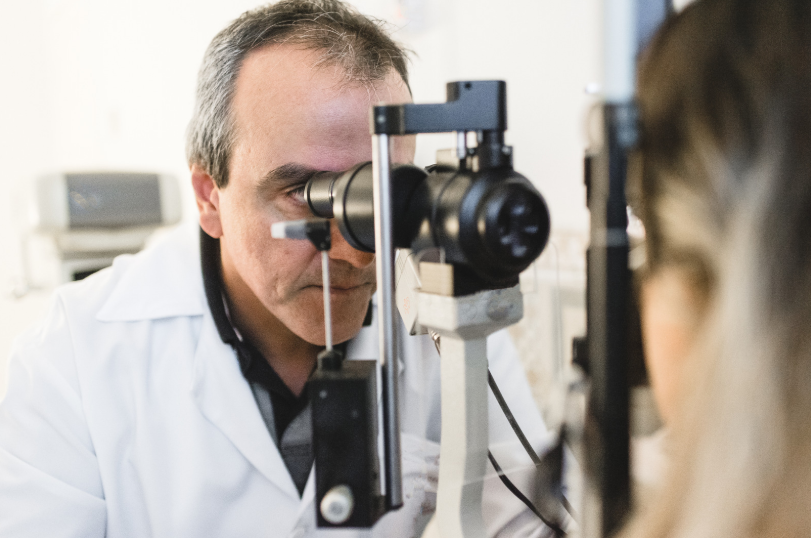
A visit with an optical doctor in Quezon City usually begins with a review of symptoms, health history, medications, previous eye procedures, and family eye history. The doctor may ask when symptoms started, what makes them better or worse, and whether they affect work or daily tasks.
Testing may include visual acuity measurement, refraction, eye pressure checks, pupil response, eye movement assessment, and examination of the front and back structures of each eye. Pupil dilation may be recommended when a wider view of the retina and optic nerve is necessary.
Some patients may need additional imaging or diagnostic tests. The exact set of tests depends on age, symptoms, medical history, and suspected condition.
After testing, the doctor should explain the findings using clear language. Patients may ask about the diagnosis, possible causes, treatment choices, follow-up visits, and warning signs that require urgent care.
Why Specialist Training Matters
Eye care covers many medical and surgical fields. Some ophthalmologists focus on cataracts, glaucoma, retina, cornea, pediatric eye care, refractive surgery, or other subspecialties. Access to doctors with different areas of expertise can support more accurate referrals and coordinated management.
PELI offers a pool of medical experts with varied ophthalmology specialties and subspecialties. Its doctors have received training connected with respected institutions such as Harvard Medical School, Johns Hopkins University, UCLA, California Pacific Medical Center, University of Wisconsin, and Singapore National Eye Center.
This broad clinical background supports care for routine concerns and difficult cases. When choosing an optical doctor in Quezon City, patients may benefit from a clinic that can match their condition with a doctor whose training fits the concern.
Advanced Equipment and Modern Eye Care Facilities
Accurate eye care often depends on detailed examination and reliable diagnostic tools. PELI maintains a complete line of ophthalmic equipment and modern operating theaters designed to support comprehensive services.
Advanced equipment may help doctors examine the cornea, lens, retina, optic nerve, eye pressure, and other structures. Detailed measurements can also support treatment planning before certain procedures.
Technology alone does not replace clinical judgment. Strong care comes from combining appropriate tools, medical experience, careful communication, and thoughtful follow-up. PELI applies this approach while caring for Filipino and foreign patients with both simple and complex cases.
Patients searching for an optical doctor in Quezon City may consider whether the clinic has suitable diagnostic resources, proper surgical facilities, trained staff, and organized processes for appointments and treatment.
Patient-Focused Guidance and Clear Treatment Choices
A good eye consultation should help patients understand what is happening and what steps may follow. Medical terms can feel confusing, especially when a condition may affect long-term sight. Doctors should explain test results, available options, possible benefits, risks, recovery needs, and follow-up care.
PELI aims to provide scientifically current care together with compassionate, kind, and efficient service. Doctors share relevant information so patients can make appropriate decisions based on their diagnosis and needs.
This patient-focused approach supports PELI’s message, “Eye Care Like No Other.” Comfort, respectful communication, and clear guidance remain essential parts of care alongside medical skill.
A trusted optical doctor in Quezon City should welcome questions and avoid rushing the patient through major decisions.
Signs of a Reliable Eye Clinic
Several qualities can help patients assess an eye clinic:
- Qualified ophthalmologists and eye care professionals
- Multiple specialties or access to specialist referral
- Modern diagnostic equipment
- Safe clinical and surgical facilities
- Clear explanations of findings
- Respectful and compassionate service
- Organized appointment and treatment systems
- Comfortable spaces for patients and companions
- Proper follow-up after treatment or surgery
- Transparent guidance about preparation and recovery
PELI continues to invest across customer service, allied medical staffing, annual training, clinic systems, and patient comfort. Its teams receive ongoing technical and people-skills education. Its IT systems support appointment scheduling and treatment coordination, while clinic spaces are designed for efficiency, comfort, and a welcoming patient experience.
Why Choose PELI as Your Optical Doctor in Quezon City?
PELI has served patients since January 2013 and operates three key facilities across Metro Manila. Its Quezon City location gives residents access to comprehensive eye services without having to travel far across the capital.
Patients may choose PELI for several reasons:
- A team of ophthalmologists with varied specialties
- Medical training connected with respected global institutions
- Decades of combined clinical and surgical experience
- Advanced ophthalmic equipment
- Modern operating theaters
- Experience with routine and difficult cases
- Care for Filipino and foreign patients
- Patient education and clear treatment discussions
- Comfortable facilities and trained support teams
- A mission centered on better quality of life through exceptional eye care
Choosing an optical doctor in Quezon City should be based on medical qualifications, available services, clinic resources, communication style, and the patient’s specific condition. PELI brings these elements together through comprehensive care and a strong commitment to safety.
Eye Care Across Different Life Stages
Eye care needs change with age. Children may need checks for refractive errors, eye alignment, visual development, or school-related difficulties. Adults may experience screen-related strain, dry eye, headaches, contact lens concerns, or gradual prescription changes.
Older adults may face higher chances of cataracts, glaucoma, retinal conditions, and age-related changes. People with diabetes, hypertension, autoimmune disease, or a family history of serious eye disease may require closer monitoring.
An optical doctor in Quezon City can recommend an examination schedule based on age, symptoms, risk factors, previous findings, and current eye health.
Family members should avoid assuming that poor vision is a normal part of aging. Many causes of visual difficulty can be treated, managed, or monitored more effectively after proper assessment.
How Often Should You Have an Eye Examination?
No single schedule fits every patient. Someone with healthy eyes and no risk factors may need routine checks at intervals recommended by a doctor. A patient with glaucoma, diabetes, previous surgery, retinal disease, or a strong family history may need more frequent visits.
Children may need examination when parents or teachers notice squinting, sitting close to screens, headaches, poor reading comfort, or difficulty seeing classroom materials. Adults should seek assessment when prescriptions change often or when visual symptoms interfere with daily tasks.
The best schedule comes from an optical doctor in Quezon City who has reviewed the patient’s full medical and eye history.
Preparing for Your Appointment
Good preparation can make a consultation more productive. Bring current eyeglasses, contact lens details, previous prescriptions, medication lists, and available medical records. Write down symptoms, when they began, and any patterns you have noticed.
Share past eye surgeries, injuries, infections, and family history. Mention medical conditions such as diabetes or high blood pressure. Prepare questions before the visit so important concerns are not forgotten.
Pupil dilation may temporarily cause light sensitivity or blurred near vision. Ask the clinic whether you may need a companion or transportation after the appointment.
Arriving early also gives time for registration and initial testing. PELI’s scheduling systems support organized appointment and treatment processes across its facilities.
Questions to Ask Your Eye Doctor
A consultation with an optical doctor in Quezon City gives patients a chance to understand their eye health. Helpful questions may include:
- What may be causing my symptoms?
- Which tests are needed?
- Is the condition temporary, progressive, or long-term?
- What treatment choices are available?
- What benefits and possible risks should I know?
- Will treatment affect work, driving, reading, or exercise?
- How soon should I return?
- Which symptoms require urgent care?
- Will I need referral to another eye specialist?
Clear questions can support better decisions and reduce uncertainty about treatment.
PELI’s Mission and Community Commitment
PELI’s mission reaches beyond clinical treatment. The institute aims to improve quality of life through exceptional eye care, innovative technology, a safe setting, and a caring patient experience.
Its commitment to employees includes a professional workplace, fair compensation, and opportunities for continued growth through research, training, and educational programs. PELI also supports community efforts linked with research and prevention of vision impairment across the Philippines and nearby countries.
These priorities support the institute’s broader goal of helping create a blind-free Philippines.
Book a Consultation With an Optical Doctor in Quezon City
Recurring eye strain, blurry vision, pain, redness, flashes, floaters, or trouble seeing at night should not be ignored. Early assessment may clarify the cause and help determine whether treatment, observation, prescription correction, or specialist care is needed.
Peregrine Eye and Laser Institute offers comprehensive services backed by qualified ophthalmologists, advanced equipment, modern facilities, and compassionate support. Patients seeking an optical doctor in Quezon City can visit PELI for professional assessment and guidance based on their eye care needs.
A proper eye examination can provide answers, support timely care, and help protect sight for daily life.
Frequently Asked Questions About an Optical Doctor in Quezon City
What Does “Optical Doctor” Mean?
“Optical doctor” is a common search phrase that may refer to an optometrist or ophthalmologist. An optometrist focuses mainly on vision testing and prescription correction. An ophthalmologist is a medical doctor who diagnoses eye disease, provides medical treatment, and performs surgery when required.
When Should I Visit an Optical Doctor in Quezon City?
Book an appointment when you notice blurry vision, eye pain, redness, frequent headaches, new flashes or floaters, difficulty seeing at night, or sudden prescription changes. Routine checks may also detect problems before symptoms become obvious.
Can PELI Manage Complex Eye Conditions?
PELI has ophthalmologists with varied specialties and subspecialties, advanced equipment, and experience handling routine and difficult cases. The right doctor and treatment plan depend on examination findings.
Will My Eyes Be Dilated During the Consultation?
Dilation depends on your symptoms, age, medical history, and the structures that need examination. The doctor may recommend dilation to obtain a clearer view of the retina and optic nerve.
What Should I Bring to My Eye Appointment?
Bring your current glasses, contact lens information, medication list, medical records, previous eye test results, and notes about your symptoms. A companion may be helpful when dilation is expected.
How Long Does an Eye Examination Take?
Appointment length varies according to the required tests, pupil dilation, imaging, and doctor consultation. Complex concerns may require more time than a routine vision check.
Why Choose Peregrine Eye and Laser Institute?
PELI offers a team of experienced ophthalmologists, varied subspecialties, advanced ophthalmic equipment, modern operating theaters, patient education, comfortable facilities, and organized support services across Metro Manila.
Where Can I Find PELI?
PELI operates facilities at Makati, Manila, and Quezon City. Patients searching for an optical doctor in Quezon City may contact the Quezon City facility for appointment details and available services.