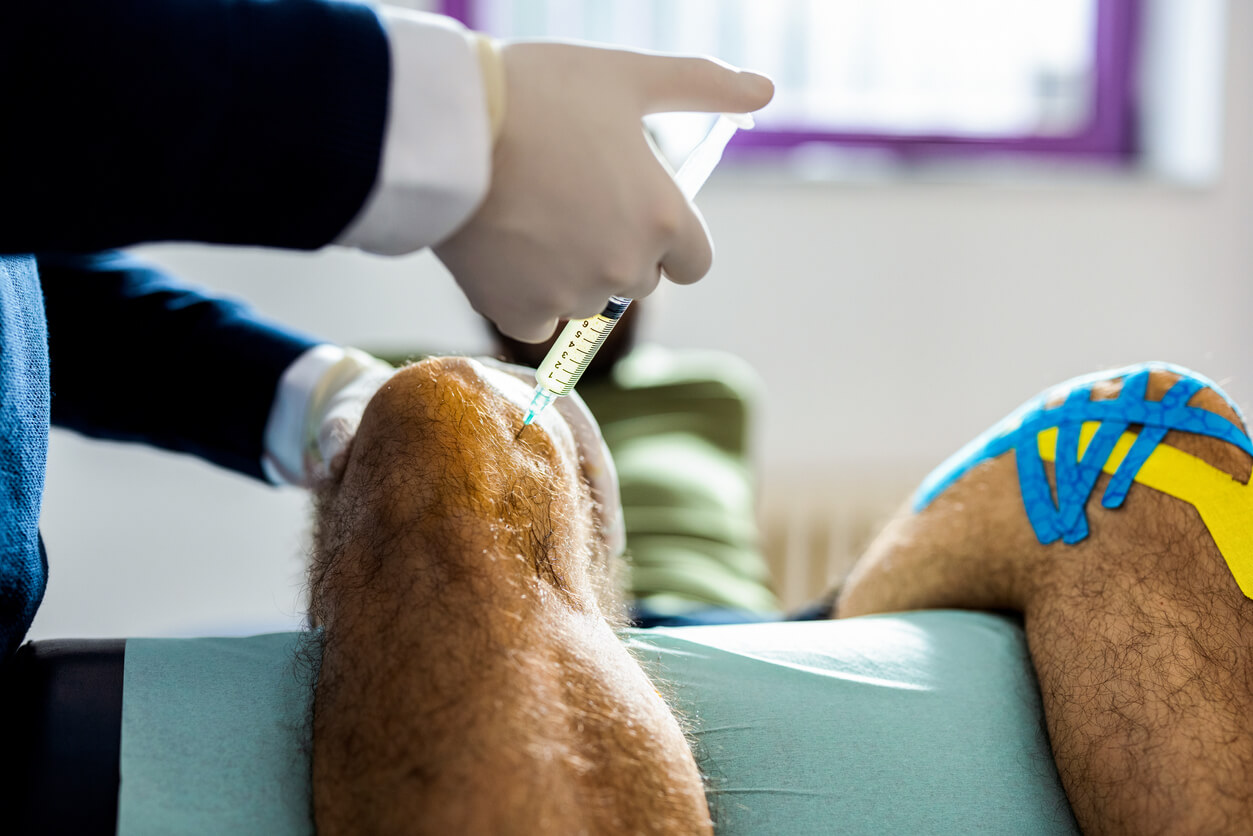
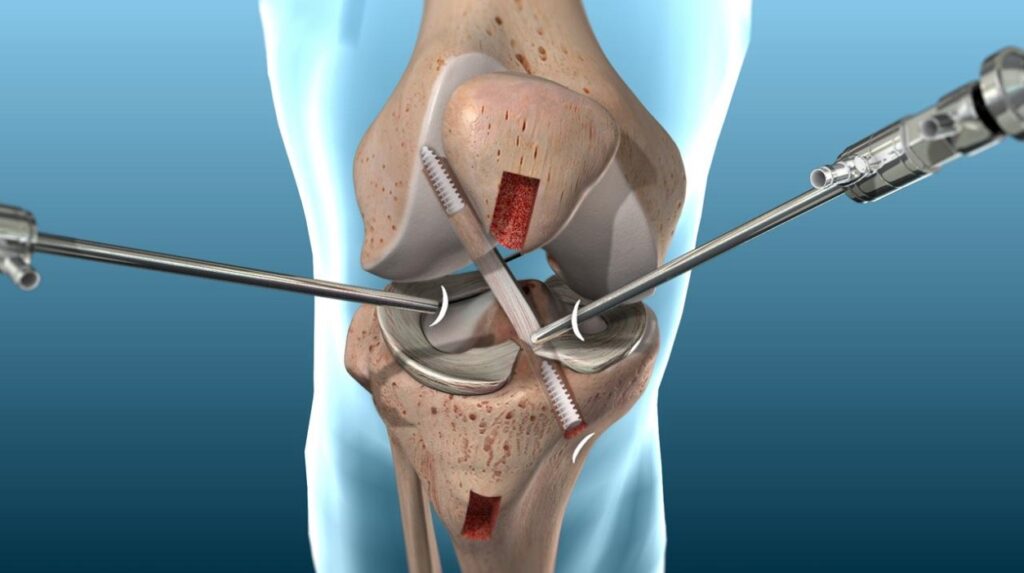
Knee Reconstruction is a surgical approach used to restore the stability, function, and movement of a damaged knee. The procedure focuses on repairing or rebuilding injured ligaments, cartilage, tendons, or other structures that support the knee joint. Every Knee Reconstruction procedure is planned according to the patient’s diagnosis, activity level, age, and overall health.
The knee is one of the body’s largest and most active joints. It supports walking, climbing stairs, running, jumping, and many daily movements. When a serious injury or long-term damage affects the knee, simple treatments such as rest or physical therapy may not be enough. Knee Reconstruction may be recommended when the joint cannot perform properly or remains unstable despite conservative care.
Modern surgical techniques allow many Knee Reconstruction procedures to be performed through minimally invasive methods, helping reduce tissue damage while supporting recovery. The objective is to improve knee stability, reduce pain, restore movement, and help patients return to everyday activities with greater confidence.
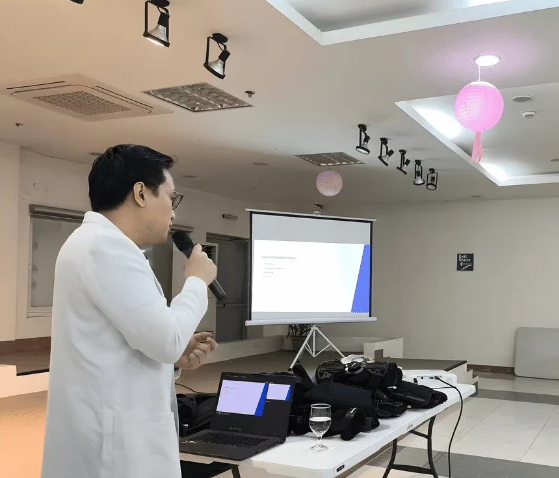
At Lao Orthopedic Clinic, patients from Bicol, Naga City, Legazpi City, Camarines Sur, and nearby communities receive comprehensive evaluation and personalized treatment plans from Dr. Lawrence Lao, an orthopedic surgeon with advanced fellowship training in hip and knee reconstruction as well as sports surgery and arthroscopy.
Conditions That May Require Knee Reconstruction
Several injuries and orthopedic conditions may lead to Knee Reconstruction. A complete evaluation helps determine whether surgery is the most suitable option.
ACL Tears
The anterior cruciate ligament (ACL) helps stabilize the knee during twisting, pivoting, and sudden changes of direction. ACL tears commonly occur during basketball, volleyball, football, soccer, and other sports that involve rapid movements. Patients often describe hearing a “pop” followed by swelling and knee instability.
PCL Injuries
The posterior cruciate ligament (PCL) provides stability by preventing the shinbone from moving too far backward. PCL injuries frequently result from vehicle accidents, falls, or direct impact to the front of the knee.
Multiple Ligament Injuries
Severe trauma may damage more than one ligament at the same time. These complex injuries often require Knee Reconstruction to restore normal joint stability and function.
Meniscus Tears
The meniscus acts as a cushion between the thighbone and shinbone. Large or complex tears may require surgical repair or reconstruction when they cause persistent pain, locking, or reduced mobility.
Recurrent Patellar Instability
Repeated kneecap dislocations may damage surrounding ligaments and cartilage. Knee Reconstruction procedures can help restore proper kneecap alignment and reduce the risk of future dislocations.
Cartilage Damage
Cartilage injuries may develop after trauma or years of wear. Significant cartilage damage can cause pain, swelling, and stiffness that interfere with daily activities.
Complex Knee Trauma
High-energy injuries from road accidents, workplace incidents, or serious falls may affect several parts of the knee at once. Knee Reconstruction may be necessary to rebuild damaged structures and improve joint function.
Failed Previous Knee Surgery
Some patients continue to experience instability or pain after an earlier procedure. Revision Knee Reconstruction may be considered after careful assessment of the underlying problem.
Common Causes of Knee Injuries
Many knee injuries happen unexpectedly, while others develop gradually over time.
Common causes include:
- Sports injuries
- Sudden twisting movements
- Road traffic accidents
- Falls
- Workplace injuries
- Direct blows to the knee
- Repetitive physical activities
- Degenerative changes associated with aging
Athletes, physically active adults, and individuals whose work involves heavy lifting or repetitive movements may have a greater chance of developing knee injuries. Early evaluation allows treatment to begin before additional damage develops.
Signs You Should See an Orthopedic Surgeon
Persistent knee symptoms should not be ignored, especially after a significant injury.
You should consider an orthopedic evaluation if you experience:
- Knee instability
- Repeated episodes of the knee giving way
- Swelling that does not improve
- Limited range of motion
- Difficulty walking
- Pain during daily activities
- Knee locking or catching
- Difficulty climbing stairs
- Pain that continues despite rest
- Trouble returning to sports or exercise
Prompt assessment may help identify injuries before they become more complicated.
How Knee Reconstruction Is Diagnosed
Successful Knee Reconstruction begins with an accurate diagnosis. Every patient receives a thorough evaluation to identify the injured structures and determine the most appropriate treatment plan.
Medical History
The consultation begins with a discussion about the injury, symptoms, previous treatments, activity level, and overall health.
Physical Examination
The knee is examined for swelling, tenderness, range of motion, strength, alignment, and ligament stability.
Imaging Studies
Diagnostic imaging provides valuable information about the condition of the knee.
These may include:
- X-rays to evaluate bone alignment and fractures
- MRI to assess ligaments, cartilage, tendons, and menisci
- CT scans when additional detail is needed for complex injuries
Functional Assessment
Movement patterns, walking mechanics, and knee stability are evaluated to understand how the injury affects daily function.
The information gathered during these assessments helps determine whether Knee Reconstruction or non-surgical treatment is the better option.
Knee Reconstruction Treatment Options
Not every knee injury requires surgery. Treatment recommendations depend on the severity of the injury, the patient’s goals, and the structures involved.
Non-Surgical Treatment
Some patients improve with conservative care.
Treatment may include:
- Physical therapy
- Activity modification
- Knee bracing
- Anti-inflammatory medication
- Strengthening exercises
- Balance and flexibility training
These options may be appropriate for minor injuries or patients whose symptoms improve without surgery.
Surgical Knee Reconstruction
When the knee remains unstable or significant structural damage is present, Knee Reconstruction may provide the best opportunity for recovery.
Common procedures include:
ACL Reconstruction
A torn ACL is replaced using a tendon graft to restore knee stability during sports and daily movement.
PCL Reconstruction
This procedure rebuilds the damaged posterior cruciate ligament to improve stability and reduce abnormal knee motion.
Meniscus Repair
Whenever possible, surgeons repair the damaged meniscus to preserve its important cushioning function.
Cartilage Restoration Procedures
Specialized techniques may help repair damaged cartilage and improve joint function.
MPFL Reconstruction
Patients with recurrent kneecap dislocations may benefit from reconstruction of the medial patellofemoral ligament.
Multi-Ligament Knee Reconstruction
Complex injuries affecting several ligaments often require carefully planned reconstructive surgery to restore normal knee mechanics.
Arthroscopic Knee Surgery
Many Knee Reconstruction procedures are performed using arthroscopy, which uses small incisions and specialized instruments to treat knee injuries with less disruption to surrounding tissues.
Every procedure is customized according to the patient’s condition rather than using a single treatment approach for everyone.
What Happens During Knee Reconstruction Surgery?
The exact steps depend on the specific injury being treated.
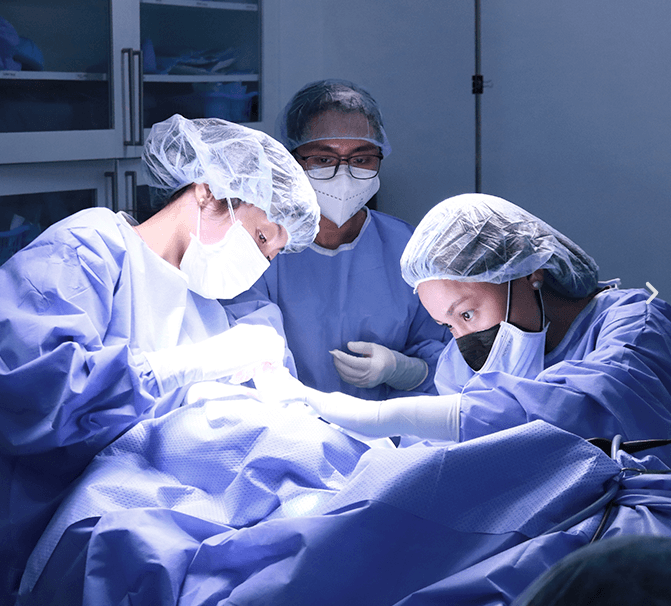
Most Knee Reconstruction procedures begin with anesthesia to keep the patient comfortable. Arthroscopic equipment may then be used to examine the joint through small incisions. Damaged ligaments, cartilage, or other tissues are repaired or reconstructed using specialized surgical techniques.
When ligament reconstruction is required, the surgeon places a graft to replace the injured ligament. The graft is secured carefully to restore stability while allowing proper healing over time.
Once all necessary repairs have been completed, the incisions are closed, and the knee is protected with dressings or a brace.
Patients receive detailed instructions regarding pain management, mobility, rehabilitation, and follow-up appointments before leaving the hospital.
Recovery After Knee Reconstruction
Recovery following Knee Reconstruction varies because every injury and surgical procedure is different.
Several factors influence recovery, including:
- Type of injury
- Number of structures repaired
- Overall health
- Commitment to rehabilitation
- Activity level before surgery
Early rehabilitation often begins shortly after surgery under professional supervision.
Recovery commonly includes:
Pain Management
Medication, ice therapy, and elevation help control discomfort during the early stages of healing.
Physical Therapy
Rehabilitation focuses on restoring range of motion, improving strength, rebuilding balance, and returning normal movement patterns.
Walking Progression
Patients gradually increase weight-bearing activities according to the surgeon’s recommendations.
Return to Work
The timeline depends on the patient’s occupation. Office workers may return earlier than individuals whose jobs require heavy physical activity.
Return to Sports
Athletes typically complete structured rehabilitation before returning to competition. Clearance depends on strength, stability, balance, and functional testing rather than time alone.
Following the rehabilitation program closely helps support a safe recovery after Knee Reconstruction.
Benefits of Knee Reconstruction
Knee Reconstruction offers several potential benefits for patients with significant knee injuries.
Possible advantages include:
- Improved joint stability
- Better knee function
- Reduced pain
- Increased confidence during movement
- Improved ability to perform daily activities
- Greater participation in recreational activities
- Better long-term joint function
- Reduced risk of repeated instability for selected conditions
Results vary depending on the patient’s injury, rehabilitation, and overall health.
Possible Risks of Knee Reconstruction
Every surgical procedure carries some degree of risk. Discussing these risks allows patients to make informed treatment decisions.
Potential risks include:
- Infection
- Blood clots
- Bleeding
- Knee stiffness
- Persistent pain
- Graft failure
- Recurrent instability
- Delayed healing
- Nerve or blood vessel injury
Careful surgical planning, proper rehabilitation, and regular follow-up appointments help reduce the likelihood of complications.
Tips for Protecting Your Knee After Knee Reconstruction
Healthy habits play an important role after Knee Reconstruction.
Helpful recommendations include:
- Attend all scheduled follow-up appointments.
- Complete the recommended rehabilitation program.
- Perform prescribed exercises regularly.
- Avoid returning to sports before receiving medical clearance.
- Maintain a healthy body weight.
- Build strength around the hips and legs.
- Warm up before physical activity.
- Wear appropriate footwear for sports and exercise.
- Report new symptoms promptly to your orthopedic surgeon.
These steps may help support long-term knee health and reduce the chance of future injury.
Why Choose Lao Orthopedic Clinic for Knee Reconstruction?
Lao Orthopedic Clinic provides patient-centered orthopedic care for individuals with sports injuries, trauma, and complex knee conditions.
Dr. Lawrence Lao has more than 16 years of medical experience and completed specialized training in Orthopedic Traumatology at East Avenue Medical Center. He also completed advanced fellowship training in Hip and Knee Reconstruction at Chang Gung University, Taipei, Taiwan, along with fellowship training in Sports Surgery and Arthroscopy at Thammasat University, Thailand.
His clinical practice focuses on evaluating each patient’s condition carefully before recommending treatment. Whether the goal is conservative management or Knee Reconstruction, every treatment plan is tailored to the patient’s diagnosis, lifestyle, and recovery goals.
The clinic offers comprehensive orthopedic services that include sports injury management, knee ligament surgery, arthroscopic procedures, hip and knee reconstruction, and treatment for a wide range of musculoskeletal conditions.
Serving Patients Across Bicol
Patients travel to Lao Orthopedic Clinic from many parts of the Bicol Region for orthopedic evaluation and treatment.
The clinic welcomes patients from:
- Naga City
- Legazpi City
- Camarines Sur
- Camarines Norte
- Albay
- Sorsogon
- Masbate
- Catanduanes
- Nearby communities across Bicol
Patients experiencing persistent knee pain, instability, or sports-related injuries are encouraged to seek professional evaluation before symptoms worsen.
Takeaway
Knee Reconstruction offers an effective treatment option for patients with serious ligament injuries, cartilage damage, recurrent instability, and other complex knee conditions. Early diagnosis, accurate assessment, and personalized treatment planning play important roles when selecting the most appropriate approach.
At Lao Orthopedic Clinic, Dr. Lawrence Lao provides comprehensive orthopedic care for patients seeking Knee Reconstruction and other advanced knee procedures. Through careful evaluation, modern surgical techniques, and structured rehabilitation, patients receive treatment designed to improve knee stability, restore mobility, and support a safe return to everyday activities and sports.
Frequently Asked Questions
What is Knee Reconstruction?
Knee Reconstruction is a surgical procedure that repairs or rebuilds damaged structures within the knee, such as ligaments, cartilage, or tendons, to improve stability and function.
Is Knee Reconstruction the same as knee replacement?
No. Knee Reconstruction focuses on repairing injured structures while preserving the natural joint whenever possible. Knee replacement involves replacing damaged joint surfaces with artificial implants.
Who may need Knee Reconstruction?
Patients with torn ligaments, severe meniscus injuries, recurrent kneecap dislocations, cartilage damage, or complex knee trauma may be candidates for Knee Reconstruction after evaluation by an orthopedic surgeon.
How long does recovery take after Knee Reconstruction?
Recovery varies depending on the injury, surgical procedure, and rehabilitation program. Some patients recover within several months, while others, particularly athletes with complex injuries, may require a longer rehabilitation period.
Will I need physical therapy?
Yes. Physical therapy is an important part of recovery after Knee Reconstruction because it helps restore movement, strength, balance, and knee stability.
Can I return to sports after Knee Reconstruction?
Many patients return to sports after completing rehabilitation and receiving clearance from their orthopedic surgeon. The timeline depends on healing, strength, and successful completion of functional assessments.
Can every knee injury be treated without surgery?
No. Some injuries respond well to conservative treatment, while others require Knee Reconstruction to restore stability and function. A comprehensive orthopedic evaluation helps determine the most appropriate treatment for each patient.