Cloudy vision can make simple tasks feel harder than they should be. Reading may take more effort. Driving at night may feel unsafe. Faces may look less sharp. Colors may seem dull. Bright lights may create glare that makes daily life uncomfortable.
For many patients, cataracts are the reason behind these changes. A cataract forms when the eye’s natural lens becomes cloudy. As that cloudiness worsens, vision can slowly lose sharpness and brightness. Cataract surgery helps by removing the cloudy lens and replacing it with a clear artificial lens.
Dropless cataract surgery in Naga gives qualified patients a more convenient cataract care option. This approach may reduce the need for several post-surgery eye drops, which can be helpful for older adults, busy patients, and caregivers assisting family members during recovery.
Lee Tan Eye Center offers cataract evaluation and surgical care for patients from Naga City and nearby areas across the Bicol Region. With careful eye assessment, patient-centered guidance, and skilled ophthalmologic care, patients can better understand whether Dropless cataract surgery in Naga fits their vision needs.
What Are Cataracts?
Cataracts happen when the clear natural lens of the eye becomes cloudy. This cloudiness blocks or scatters light as it enters the eye, which can cause blurred, dim, or hazy vision. Many patients describe cataracts as looking through a foggy window.
Common cataract symptoms may include cloudy vision, faded colors, glare from headlights or lamps, trouble reading, poor night vision, and frequent eyeglass changes. Some patients also notice that brighter light helps at first, but glare may become worse as the cataract grows.
Cataracts usually develop slowly. At first, glasses or better lighting may help. Over time, though, cataracts can affect daily tasks, work, hobbies, and mobility. When cataracts begin to interfere with quality of life, surgery may become the best treatment option.
Patients who experience these symptoms can ask Lee Tan Eye Center about Dropless cataract surgery in Naga during a cataract evaluation. A complete eye exam helps confirm whether cataracts are present, how advanced they are, and what treatment plan may be right for the patient.
What Is Cataract Surgery?
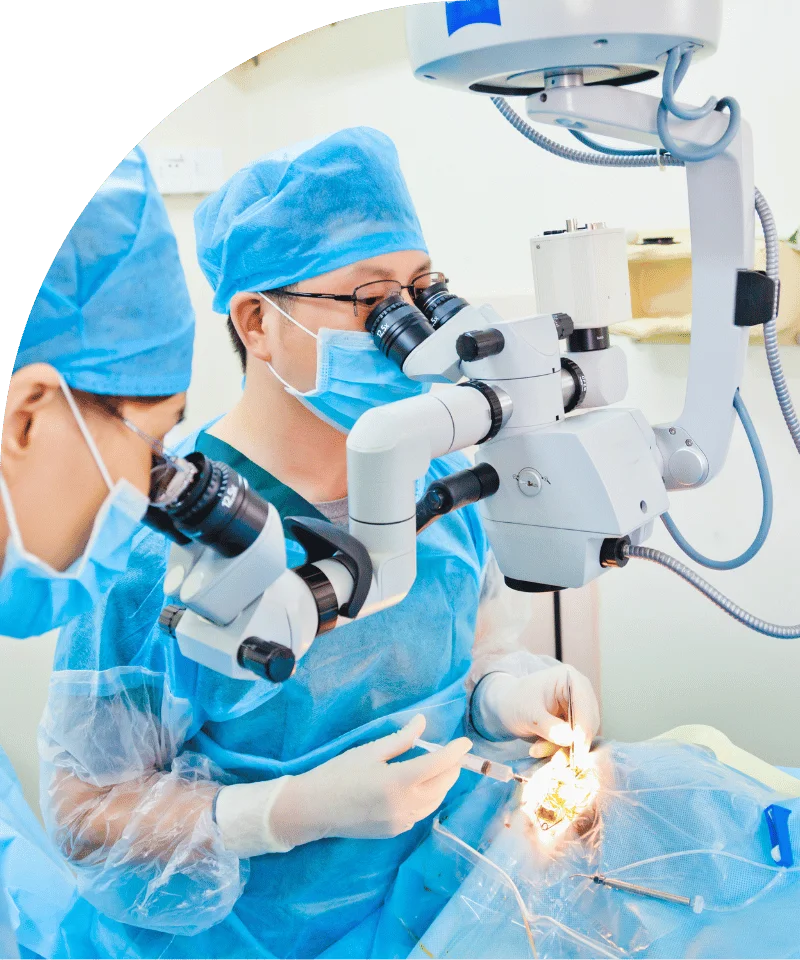
Cataract surgery is a procedure that removes the cloudy natural lens of the eye. After removal, the surgeon places a clear artificial lens, also called an IOL, to help restore focus. This artificial lens stays inside the eye permanently and does not require cleaning or routine maintenance.
The procedure is commonly performed as outpatient surgery. This means most patients go home the same day. The surgical part often takes about 15 to 30 minutes, though preparation and recovery monitoring may take longer.
Numbing eye drops are used to help keep the patient comfortable. The cloudy lens is carefully removed through microsurgical methods, then replaced with the chosen artificial lens. After surgery, follow-up visits help check healing and visual progress.
Dropless cataract surgery in Naga follows the same main goal: remove the cloudy cataract and help restore clearer vision. What makes it different is the medication approach used after or during the procedure.
What Makes Dropless Cataract Surgery Different?
Traditional cataract surgery often requires several eye drops after the procedure. These drops may be given to help reduce swelling, support comfort, and lower germ-related risks while the eye heals. For some patients, this schedule can feel difficult.
Dropless cataract surgery in Naga may lessen the need for multiple post-surgery drops. Medication support may be placed during surgery, depending on the patient’s eye health and the surgeon’s plan. This can make recovery easier for people who find eye drops hard to apply correctly.
Some patients have shaky hands. Others have poor near vision, limited caregiver support, or trouble remembering dose schedules. For them, fewer drops may reduce stress during recovery.
Dropless does not always mean zero drops for every patient. Some people may still need eye drops after surgery based on healing, other eye conditions, or the surgeon’s recommendation. The goal is to create a recovery plan that fits the patient’s eyes, comfort, and safety.
Why Patients Ask About Dropless Cataract Surgery in Naga
Many patients want cataract surgery that supports clearer sight without a complicated recovery routine. This is one reason Dropless cataract surgery in Naga has become a topic of interest for people seeking cataract care.
Naga City and Bicol patients often look for eye care that feels accessible, clear, and practical. Cataract surgery does not end once the procedure is done. Follow-up care, recovery checks, and guidance matter. Having local ophthalmologic care can make the process easier for patients and families.
Older adults may need help from children or relatives after surgery. A simpler medication plan may help reduce the burden on both the patient and caregiver. Busy adults may also appreciate fewer recovery steps, especially when they need to return to normal routines as safely as possible.
Dropless cataract surgery in Naga can be especially helpful for patients who worry about missing drops or applying them incorrectly. During consultation, the ophthalmologist can explain whether this option fits the patient’s eye condition.
Key Benefits of Dropless Cataract Surgery in Naga
Dropless cataract surgery in Naga offers several possible benefits for qualified patients. The biggest advantage is convenience. Recovery may feel easier when there are fewer drops to remember, prepare, and apply.
Another benefit is more dependable medication delivery. Eye drops only work well when applied correctly and on time. Some patients accidentally miss doses, touch the eye with the bottle tip, or fail to get the drop onto the eye surface. A dropless approach may help reduce these problems for suitable patients.
This option may also support older adults who have difficulty with hand control or near vision. Applying drops several times a day can be frustrating, especially when both eyes have reduced clarity. A reduced-drop plan may help make recovery less stressful.
Dropless cataract surgery in Naga may also support better comfort during the healing period. With proper follow-up care, patients can receive guidance about normal healing signs, warning symptoms, and safe activity levels after surgery.
Most of all, cataract surgery aims to restore clearer sight. Patients may notice sharper details, brighter surroundings, better color perception, and more confidence with daily activities after healing.
Who May Be a Good Candidate for Dropless Cataract Surgery?
A good candidate for Dropless cataract surgery in Naga may be someone whose cataracts affect daily life and who wants a simpler recovery plan. Patients who struggle with eye drops may also benefit from asking about this option.
This may include seniors, patients with hand tremors, people who live alone, patients who have trouble remembering medication schedules, and family members caring for older relatives. Patients from Naga City and nearby Bicol areas may also prefer local care so follow-up visits are easier to manage.
A full cataract evaluation is still needed before surgery. The ophthalmologist checks the cataract, eye pressure, cornea, retina, medical history, current medications, and overall eye health. This exam helps determine whether Dropless cataract surgery in Naga is safe and suitable.
Not every patient will qualify for the same plan. Some may need a standard drop schedule, a modified drop plan, or extra monitoring due to other eye conditions.
Who May Need a Different Cataract Care Plan?
Some patients may need a more customized cataract surgery plan. People with glaucoma, diabetic eye disease, retinal problems, corneal disease, prior eye surgery, or medication allergies may need extra assessment before deciding on dropless care.
Lee Tan Eye Center is led by Dr. Lee Tan, a board-certified ophthalmologist with advanced Glaucoma fellowship training from the University of the Philippines–Philippine General Hospital. This background is especially valuable for patients who may have cataracts along with glaucoma or other pressure-related eye concerns.
Dropless cataract surgery in Naga may still be possible for some patients with other eye conditions, but the plan must be based on a careful exam. Safety should always guide the decision.
Patients should be open about their full medical history, eye history, allergies, past surgeries, and current medications. These details help the ophthalmologist recommend the right approach.
What to Expect Before Dropless Cataract Surgery in Naga
Before Dropless cataract surgery in Naga, patients go through a cataract evaluation. This visit helps the doctor check how much the cataract affects vision and whether surgery is needed.
The exam may include visual acuity testing, eye pressure check, cataract grading, lens measurement, and eye health assessment. The doctor may also discuss symptoms, lifestyle needs, and visual goals. For example, some patients care most about distance vision for driving, while others want better reading comfort or easier daily mobility.
Lens planning is another key part of cataract surgery. The artificial lens chosen for the eye can affect visual outcome and glasses dependence after surgery. Some patients may still need glasses, while others may reduce their need for certain tasks depending on lens choice.
Lee Tan Eye Center focuses on personal treatment planning. The goal is to match the cataract surgery approach with each patient’s vision needs, eye health, and recovery requirements.
What Happens During the Procedure?
During Dropless cataract surgery in Naga, the eye is numbed with drops so the patient remains comfortable. The surgeon then removes the cloudy cataract and places a clear artificial lens.
The procedure usually does not take long. Many cataract surgeries are completed within about 15 to 30 minutes. Patients usually go home the same day after recovery monitoring and post-surgery guidance.
For the dropless approach, medication support may be placed as part of the surgical plan. This may reduce the need for multiple post-surgery drops. The exact method depends on the surgeon’s assessment and what is safest for the patient.
After surgery, patients receive instructions about eye protection, activity limits, follow-up visits, and symptoms that should be reported right away. Even with Dropless cataract surgery in Naga, proper aftercare remains a major part of a good result.
What Can Patients Expect During Recovery?
Many patients notice clearer vision within 24 to 48 hours after cataract surgery, though healing can vary. Some may see improvement quickly, while others may need more time for the eye to settle.
Mild scratchiness, light sensitivity, tearing, or blurry vision may happen during early healing. These symptoms often improve as the eye recovers. The ophthalmologist will explain what is expected and what signs need prompt attention.
Dropless cataract surgery in Naga may make recovery more convenient because fewer drops may be needed. Still, patients must follow all aftercare directions carefully. Eye rubbing should be avoided. Protective eyewear may be recommended. Follow-up visits should not be skipped.
Patients should also avoid comparing recovery with another person’s experience. Each eye heals differently. Other conditions such as glaucoma, diabetes, or dry eye can affect recovery speed and visual outcome.
Dropless Cataract Surgery and Artificial Lens Choices
Cataract surgery replaces the cloudy natural lens with a clear artificial lens. This lens choice is an important part of surgery planning.
Different lens options may support different visual goals. Some lenses focus mainly on distance vision. Others may help reduce dependence on reading glasses or bifocals, depending on eye health and patient suitability.
Dropless cataract surgery in Naga focuses not only on removing the cataract but also on helping patients choose a lens that matches their daily needs. The right lens plan may depend on work habits, hobbies, reading needs, driving needs, and existing eye conditions.
Patients should ask questions about lens choices before surgery. A clear discussion helps set realistic expectations. Cataract surgery can greatly improve clarity, but some patients may still need glasses after recovery.
Why Choose Lee Tan Eye Center for Dropless Cataract Surgery in Naga?
Lee Tan Eye Center serves patients from Naga City and the Bicol Region with ophthalmologic care focused on careful assessment, clear patient guidance, and thoughtful treatment planning.
Dr. Lee Tan is a board-certified ophthalmologist and experienced eye surgeon. His background includes medical and ophthalmology training through the University of the Philippines system, residency at UP–Philippine General Hospital, years of general ophthalmology practice, and advanced Glaucoma fellowship training.
This experience supports patients who need cataract care, especially those with added concerns such as glaucoma risk, eye pressure concerns, or other eye health issues.
Dropless cataract surgery in Naga at Lee Tan Eye Center starts with proper evaluation. Rather than offering one plan for everyone, the clinic considers each patient’s visual goals, lifestyle, symptoms, cataract severity, and overall eye condition.
For patients who want cataract surgery near home, local care can make consultation, follow-up visits, and recovery support easier.
Signs You Should Book a Cataract Evaluation
Cataracts can slowly affect your daily life before you realize how much vision has changed. A cataract evaluation may be needed if you experience cloudy vision, glare, halos around lights, faded colors, poor night vision, or difficulty reading even with glasses.
Frequent eyeglass prescription changes can also be a sign. Some patients notice they need brighter light for reading or that night driving feels more stressful. Others may have trouble recognizing faces from a distance.
If these symptoms affect comfort, safety, or daily routines, it may be time to ask about Dropless cataract surgery in Naga. Early evaluation helps patients understand their options before vision problems become more limiting.
Lee Tan Eye Center can assess whether symptoms are caused by cataracts or another eye condition. Proper diagnosis matters because blurry vision can have many causes.
How Dropless Cataract Surgery Can Support Daily Life
Clearer vision can make everyday life easier. After cataract surgery, many patients may read more comfortably, move around with more confidence, recognize faces better, and see colors more clearly.
Improved vision may also support safer walking, cooking, household tasks, and driving, depending on the patient’s full eye health and recovery. For older adults, better vision may help reduce fall risk and support daily independence.
Dropless cataract surgery in Naga may add another layer of convenience by reducing the burden of multiple eye drops after surgery. This can be especially helpful when patients have limited help at home.
For families, a simpler recovery plan can bring peace of mind. Caregivers may feel more confident knowing that post-surgery medication routines may be less complicated for qualified patients.
Questions to Ask Your Ophthalmologist Before Surgery
Before choosing Dropless cataract surgery in Naga, patients should feel comfortable asking questions. A good consultation helps reduce worry and gives patients a clear idea of what to expect.
Helpful questions may include:
Am I a good candidate for Dropless cataract surgery in Naga?
Will I still need any eye drops after surgery?
What type of artificial lens is best for my vision goals?
How long should recovery take?
What activities should I avoid after surgery?
How many follow-up visits will I need?
Do my other eye conditions affect my cataract surgery plan?
What symptoms should I report right away?
These questions help patients take an active role with their eye care. Lee Tan Eye Center can guide patients through these decisions with clear explanations and a patient-centered approach.
Dropless Cataract Surgery in Naga: A More Convenient Option for Clearer Vision
Cataracts can affect more than eyesight. They can affect confidence, safety, comfort, and daily freedom. When cloudy vision makes reading, driving, walking, or household tasks harder, cataract surgery may help restore better clarity.
Dropless cataract surgery in Naga offers a convenient option for qualified patients who want clearer vision with less dependence on multiple post-surgery drops. While not every patient will need or qualify for the same approach, a careful cataract evaluation can help determine the safest and most suitable plan.
Lee Tan Eye Center provides cataract evaluation and surgical planning for Naga City and Bicol patients. With experienced ophthalmologic care, personal guidance, and attention to long-term eye health, patients can take the next step toward clearer sight with greater confidence.
If cloudy vision, glare, faded colors, or poor night vision affects your daily life, ask Lee Tan Eye Center about Dropless cataract surgery in Naga and find out whether this cataract care option matches your eye health and vision goals.
FAQs About Dropless Cataract Surgery in Naga
What is Dropless cataract surgery in Naga?
Dropless cataract surgery in Naga is a cataract surgery approach that may reduce the need for several post-surgery eye drops. Medication support may be placed during surgery when suitable for the patient. This can make recovery more convenient, especially for patients who have difficulty applying drops.
Is Dropless cataract surgery safe?
Dropless cataract surgery may be safe for suitable patients when planned by a qualified ophthalmologist after a complete eye exam. Patient safety depends on eye health, cataract severity, medical history, allergies, and other conditions. Lee Tan Eye Center can assess whether this option is appropriate.
Will I still need eye drops after Dropless cataract surgery in Naga?
Some patients may still need eye drops after Dropless cataract surgery in Naga. Dropless does not always mean zero drops for every person. The final medication plan depends on the surgeon’s findings and the way the eye heals.
How long does cataract surgery take?
The surgical part of cataract surgery often takes about 15 to 30 minutes. The full visit may take longer because of preparation, monitoring, and post-surgery guidance. Most patients go home the same day.
When will vision improve after cataract surgery?
Many patients notice clearer vision within 24 to 48 hours, but recovery can vary. Some patients may need more time, especially if they have other eye conditions. Follow-up visits help check healing and visual progress.
Who should consider Dropless cataract surgery in Naga?
Patients with cataracts who want a simpler recovery plan may ask about Dropless cataract surgery in Naga. It may be especially helpful for older adults, patients who struggle with drops, people with busy routines, or family caregivers helping a loved one recover.
Why choose Lee Tan Eye Center for cataract care?
Lee Tan Eye Center offers cataract evaluation and surgical planning led by Dr. Lee Tan, a board-certified ophthalmologist and experienced eye surgeon. The clinic serves Naga City and the Bicol Region with patient-centered eye care, careful assessment, and treatment planning based on each patient’s vision needs.