Uveitis can pose serious risks to vision if left untreated, making timely intervention essential. Eye inflammation affects the uvea, the middle layer of the eye, and can sometimes involve surrounding structures such as the retina and cornea. Symptoms may appear suddenly or develop gradually, and they can range from mild discomfort to significant vision impairment. Seeking professional care for uveitis treatment at an experienced eye care facility ensures early detection, accurate diagnosis, and proper management to protect vision. Early treatment improves outcomes and prevents complications that could otherwise lead to permanent vision loss.
What is Uveitis?
Uveitis refers to inflammation affecting the uvea, which includes the iris, ciliary body, and choroid. This condition can occur at any age and may affect one or both eyes. Uveitis is classified into several types based on the part of the eye affected. Anterior uveitis impacts the front part of the eye, intermediate uveitis affects the vitreous humor, posterior uveitis involves the retina and choroid, and panuveitis affects all parts of the uvea. Recognizing the type of uveitis is critical for planning effective uveitis treatment. Common symptoms include red eyes, eye pain, sensitivity to light, floaters, blurred vision, and in some cases, decreased vision.
Causes of Uveitis
Understanding the causes of uveitis is crucial for proper management. This eye condition can result from infections, autoimmune diseases, or unknown causes. Infectious uveitis may be caused by bacteria, viruses, or fungi, and it requires treatment tailored to the specific pathogen. Autoimmune conditions such as lupus, rheumatoid arthritis, or sarcoidosis can trigger inflammation in the eyes, often necessitating long-term care. In some cases, the exact cause of uveitis remains unidentified, yet treatment can still control symptoms and protect vision. Accurate identification of the underlying cause ensures that uveitis treatment is effective and prevents complications.
Why Prompt Treatment is Crucial
Delaying treatment for uveitis can lead to severe complications that threaten vision. Chronic uveitis may cause cataracts, glaucoma, or damage to the retina, resulting in permanent vision impairment. Acute cases can escalate rapidly, causing intense pain and sudden vision changes. Uveitis treatment is most effective when started early, minimizing inflammation and reducing the risk of long-term damage. Regular eye examinations, awareness of symptoms, and immediate consultation with specialists improve outcomes and maintain eye health.
Uveitis Treatment Options
Uveitis treatment varies depending on the cause, severity, and type of inflammation. Steroid therapy is a common approach for reducing inflammation and relieving symptoms. These medications can be administered as eye drops, oral tablets, or injections depending on the severity of the condition. Infectious uveitis requires antibiotics, antiviral, or antifungal medications to eliminate the underlying infection. For autoimmune or chronic cases, immunomodulatory therapy may be recommended to control inflammation over time. Careful monitoring during treatment is essential to track progress, adjust medications, and manage side effects. A tailored approach ensures that uveitis treatment is both safe and effective for every patient.
Peregrine Eye and Laser Institute Approach
Peregrine Eye and Laser Institute provides advanced uveitis treatment through a combination of expert specialists, cutting-edge technology, and patient-centered care. Doctors at Peregrine are trained at prestigious institutions such as Harvard Medical School, Johns Hopkins University, UCLA, and Singapore National Eye Center, bringing decades of experience to their patients. The institute operates three key facilities in Makati, Manila, and Quezon City, offering easy access to world-class ophthalmology services. Each patient receives personalized care, including detailed explanations of treatment options, expected outcomes, and follow-up plans. Peregrine’s team ensures that every case, whether simple or complex, is managed with precision and compassion.
Patient Experience and Support
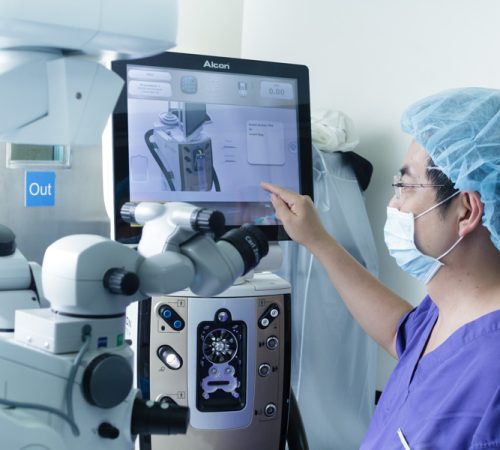
Patients seeking uveitis treatment at Peregrine benefit from an environment designed for comfort, efficiency, and reassurance. Clinics are welcoming and modern, equipped with advanced ophthalmic technology to provide accurate diagnosis and effective care. Staff members undergo regular training to enhance both technical skills and patient interaction, ensuring a supportive experience. Clear communication about procedures, medications, and follow-up visits empowers patients to make informed decisions regarding their eye health. By combining medical expertise with a patient-centered approach, Peregrine ensures that every individual receives comprehensive and attentive care throughout their treatment journey.
Preventing Uveitis and Maintaining Eye Health
While some cases of uveitis cannot be prevented, certain strategies can reduce the risk or severity of flare-ups. Regular eye examinations allow early detection and management of inflammation. Managing systemic autoimmune conditions, such as lupus or rheumatoid arthritis, helps minimize eye involvement. Recognizing symptoms early, including redness, eye pain, and changes in vision, allows prompt treatment and protects eyesight. Maintaining overall health, including proper nutrition, hydration, and lifestyle habits, supports long-term eye health and complements professional uveitis treatment.
Takeaway
Prompt intervention is key to protecting vision from uveitis. Early consultation with skilled ophthalmologists ensures accurate diagnosis, effective treatment, and reduced risk of complications. Peregrine Eye and Laser Institute provides comprehensive uveitis treatment with a combination of advanced technology, highly trained specialists, and personalized care. Patients can trust that their eyes are in capable hands, with treatment plans designed to preserve vision and improve quality of life.
Frequently Asked Questions (FAQ)
What is the most common treatment for uveitis?
Steroids are the primary treatment for controlling inflammation, with antibiotics or antiviral medications used if infection is present.
Can uveitis cause permanent vision loss?
Yes, untreated or chronic uveitis can lead to cataracts, glaucoma, retinal damage, and permanent vision loss.
How long does uveitis treatment take?
Treatment duration varies depending on the cause and severity, ranging from a few weeks for acute cases to several months for chronic or autoimmune-related uveitis.
Is uveitis treatment painful?
Most treatments, such as eye drops or oral medications, are not painful. Injectable or surgical interventions may cause temporary discomfort but are generally well-tolerated under professional care.
Why choose Peregrine Eye and Laser Institute for uveitis treatment?
Peregrine offers specialized care from highly trained ophthalmologists, advanced technology, personalized attention, and comprehensive follow-up care, ensuring the best possible outcomes for patients with uveitis.
Can lifestyle changes help manage uveitis?
Maintaining overall health, managing autoimmune conditions, and attending regular eye exams can help reduce flare-ups and support professional uveitis treatment.