Anal Tear Repair, also known as fissurectomy, is a specialized procedure designed to treat chronic anal fissures that do not improve with medication, lifestyle changes, or non-surgical care. Chronic fissures are small tears in the lining of the anus that often result in sharp pain, bleeding, and discomfort during bowel movements. Many patients experience frustration as conservative treatments fail to provide relief, which is why Anal Tear Repair has become a trusted solution for long-term comfort and healing.
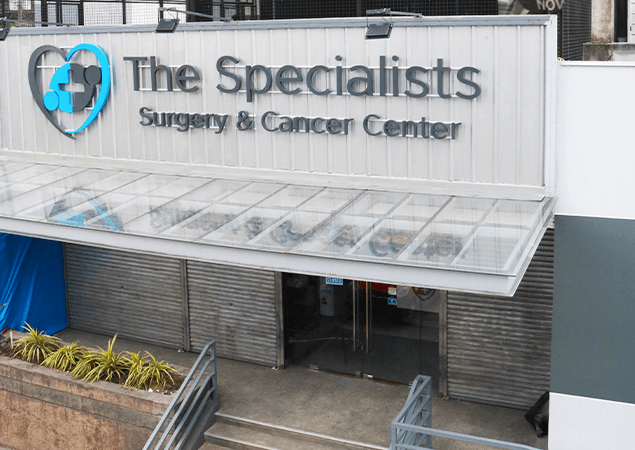
The Specialist Surgery and Cancer Center (TSSCC) in Quezon City, Metro Manila, offers Anal Tear Repair with a focus on patient comfort, convenience, and high-quality surgical care. Unlike hospital-based procedures, this outpatient surgery reduces waiting times, minimizes exposure to infections, and ensures affordable care without compromising safety. Patients from Metro Manila and nearby provinces often seek Anal Tear Repair at TSSCC when daily activities are affected or symptoms have persisted despite previous treatments.
What Is Anal Tear Repair (Fissurectomy)?
Anal Tear Repair is a surgical procedure that removes the damaged tissue around chronic anal fissures to allow healthy tissue to grow. Chronic fissures often fail to heal on their own because of reduced blood flow and muscle spasms in the anal region. By carefully excising the affected tissue, Anal Tear Repair not only relieves pain and bleeding but also improves long-term colorectal health.
Unlike non-surgical treatments such as topical creams, sitz baths, or stool softeners, Anal Tear Repair addresses the root cause of persistent fissures. The procedure is designed to restore comfort and improve overall quality of life for patients who have endured prolonged discomfort. At TSSCC, Anal Tear Repair is performed as an outpatient surgery, allowing patients to recover at home while receiving expert guidance and support from the medical team.
Who Needs Anal Tear Repair?
Anal Tear Repair is recommended for patients experiencing chronic anal fissures or those whose symptoms do not improve with conservative care. Common indicators that surgery may be necessary include:
- Chronic anal fissures lasting more than six weeks
- Persistent pain that continues despite medication or topical treatment
- Bleeding during bowel movements
- Recurrent fissures that return frequently
- Skin tags or changes near the fissure
- Difficulty sitting or performing daily tasks due to discomfort
- Fissures caused by constipation, hard stools, or prolonged straining
Early assessment by a qualified colorectal specialist is essential to prevent complications and provide effective treatment. Anal Tear Repair not only relieves immediate discomfort but also reduces the risk of further tissue damage and recurrence. Patients who delay treatment may experience worsening pain, larger fissures, and the potential need for more invasive interventions.
Why Choose TSSCC for Anal Tear Repair
Patients seeking Anal Tear Repair at TSSCC benefit from several advantages that make the procedure accessible, safe, and patient-centered. The center is recognized for offering outpatient surgeries that reduce waiting times, lower costs, and minimize exposure to facility-acquired infections. This approach allows patients to receive high-quality care without the added stress of long hospital stays or complex procedures.
TSSCC’s team of experienced colorectal specialists ensures accurate diagnosis and precise surgical execution. Each Anal Tear Repair procedure is tailored to the patient’s specific needs, enhancing comfort and promoting faster recovery. The center maintains high standards of safety and hygiene while keeping care affordable for Filipino patients.
TSSCC operates two convenient locations in Quezon City: the East Avenue Clinic and the Fairview Clinic. Patients can select the location that best suits their schedule and travel preferences. From consultation to post-surgery follow-ups, TSSCC provides attentive guidance and support to ensure patients feel informed and confident throughout the entire process.
The Procedure: What to Expect
Anal Tear Repair begins with a thorough consultation and examination by a colorectal specialist. During this assessment, the doctor evaluates the severity of the fissure, identifies any complications, and discusses treatment options. Once surgery is recommended, patients are given instructions on how to prepare for the procedure.
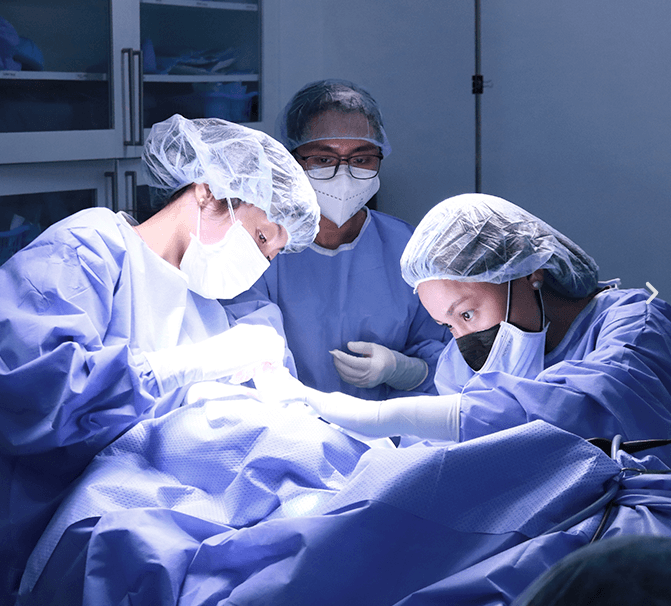
During Anal Tear Repair, the surgeon carefully removes the damaged tissue around the fissure while minimizing trauma to surrounding areas. The goal is to stimulate healthy tissue growth and restore normal function. The procedure is performed on an outpatient basis, meaning patients can return home the same day. Pain management strategies are provided to ensure comfort, and the medical team monitors recovery closely.
Post-surgery, patients may experience mild discomfort, which can be managed with prescribed medications, sitz baths, and stool softeners. The recovery process varies depending on individual healing rates, but most patients notice significant improvement in pain and bleeding within a few weeks. Anal Tear Repair allows patients to resume normal activities gradually while following the aftercare plan provided by TSSCC.
Recovery and Aftercare
Proper recovery and aftercare are essential for optimal results after Anal Tear Repair. Patients are advised to follow guidelines that promote healing and prevent recurrence of fissures. Recommended practices include:
- Maintaining a high-fiber diet to prevent constipation
- Drinking plenty of water to support soft stool formation
- Avoiding prolonged straining during bowel movements
- Practicing gentle hygiene in the anal area
- Attending follow-up appointments with the colorectal specialist
Recovery timelines vary, but most patients experience noticeable relief within two to four weeks. The supportive environment at TSSCC ensures patients receive clear instructions and encouragement throughout their recovery. Proper care after Anal Tear Repair not only accelerates healing but also minimizes the risk of new fissures developing.
Why Early Treatment Matters
Delaying care for chronic anal fissures can lead to worsening symptoms and more complicated treatment. Persistent pain, larger fissures, and increased bleeding may result from untreated conditions. Early assessment and intervention with Anal Tear Repair reduce the risk of complications, promote faster healing, and prevent long-term damage to the anal tissue.
TSSCC emphasizes early treatment as part of its mission to provide affordable and accessible care. Patients are encouraged to seek medical attention promptly if they experience persistent anal pain, bleeding, or discomfort during bowel movements. Early Anal Tear Repair often results in better outcomes, reduced recovery time, and greater overall satisfaction.
Takeaway
Anal Tear Repair provides an effective solution for chronic anal fissures, restoring comfort, reducing bleeding, and improving overall colorectal health. At The Specialist Surgery and Cancer Center, patients receive high-quality, affordable, and convenient outpatient care in Quezon City, Metro Manila. Prompt consultation and treatment ensure better outcomes, faster recovery, and lasting relief from persistent anal discomfort.
FAQ About Anal Tear Repair
How long does Anal Tear Repair take?
Anal Tear Repair is typically completed within one to two hours as an outpatient procedure. Patients can return home the same day with proper aftercare instructions.
Is Anal Tear Repair painful?
Mild discomfort is expected after surgery, but pain is manageable with prescribed medications and sitz baths. Most patients notice significant relief from chronic pain within a few weeks.
How soon can I return to normal activities?
Many patients resume light daily activities within a few days. Full recovery and return to more strenuous activities generally occur within two to four weeks, depending on individual healing.
Can fissures return after surgery?
Anal Tear Repair greatly reduces the risk of recurrence, but following dietary guidelines, staying hydrated, and avoiding straining are important to prevent new fissures.
Who is eligible for outpatient Anal Tear Repair?
Patients with chronic fissures that do not respond to conservative treatment and those without serious medical complications are ideal candidates for outpatient surgery at TSSCC.
What should I do if I notice symptoms again after surgery?
Patients experiencing recurrent symptoms should consult their colorectal specialist immediately. Early evaluation ensures timely intervention and prevents further complications.