Why Vitreo Retina Management Matters for Long Term Vision
Vitreo Retina Management focuses on preserving and restoring vision by addressing conditions that affect the vitreous and retina, two essential parts of the eye responsible for visual clarity. These structures work together to capture light and transmit signals to the brain, allowing you to interpret what you see. When problems arise in this area, vision can deteriorate quickly if left untreated. This specialized field provides targeted care that goes beyond general eye examinations. It combines advanced diagnostic tools, medical treatments, and surgical techniques to manage complex eye conditions. Many individuals may not recognize early warning signs, which is why awareness is crucial. Timely intervention through Vitreo Retina Management significantly increases the chances of maintaining good vision. Understanding its importance encourages proactive care and regular eye checkups.
The Role of the Vitreous and Retina in Vision
The vitreous is a clear, gel-like substance that fills the inside of the eye and helps maintain its shape while allowing light to pass through. Over time, this gel can change in consistency, sometimes leading to visual disturbances such as floaters. The retina is a thin, delicate layer of tissue located at the back of the eye that converts light into electrical signals. These signals are then sent to the brain, where they are interpreted as images. Within the retina are rods and cones, specialized cells that detect light and color. The macula, located at the center of the retina, is responsible for detailed and central vision. Peripheral areas of the retina help detect movement and provide side vision. Damage to any of these components can disrupt vision, highlighting the need for specialized care.
Conditions Managed Through Vitreo Retina Management
Vitreo Retina Management addresses a variety of eye conditions that can affect visual function. Retinal detachment is one of the most serious issues, requiring immediate treatment to prevent permanent vision loss. Diabetic retinopathy develops when high blood sugar damages retinal blood vessels, leading to vision problems over time. Macular degeneration affects central vision and is commonly associated with aging. Retinal vein occlusion occurs when blood flow is blocked, causing swelling and reduced vision. Vitreous hemorrhage involves bleeding into the eye, which can obscure vision. Posterior vitreous detachment is a natural process but may lead to complications in some cases. Each condition requires careful evaluation and a tailored treatment plan to ensure the best outcomes.
Key Risk Factors That Influence Retinal Health
Understanding risk factors is essential for preventing and managing retinal conditions. Diabetes is a leading cause of retinal disease, making blood sugar control a top priority. Aging increases the likelihood of developing degenerative eye conditions. A family history of retinal disorders may also raise the risk. Eye injuries, even minor ones, can have lasting effects on the vitreous and retina. Previous eye surgeries may alter the structure of the eye, requiring ongoing monitoring. Lifestyle factors such as smoking and poor nutrition can contribute to declining eye health. Awareness of these risks allows individuals to take preventive measures and seek early care when needed.
Recognizing Symptoms That Require Attention
Early detection plays a critical role in effective Vitreo Retina Management. Sudden flashes of light may indicate tension on the retina and should not be ignored. An increase in floaters can signal changes within the vitreous or potential bleeding. Blurred or distorted vision may point to issues in the macula, affecting clarity. Loss of peripheral vision can occur gradually and may go unnoticed until it becomes severe. Dark shadows or curtain-like effects across vision are often associated with retinal detachment. These symptoms may appear without pain, making them easy to overlook. Seeking immediate medical evaluation ensures that potential problems are addressed promptly.
Diagnostic Techniques in Vitreo Retina Management
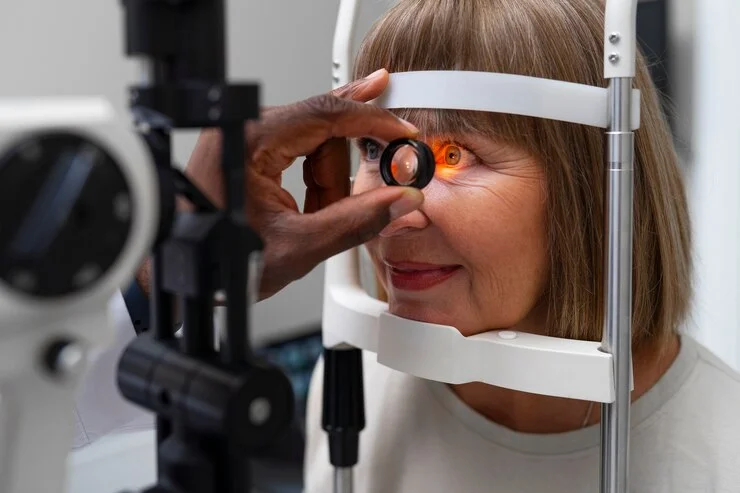
Accurate diagnosis is essential for developing an effective treatment plan. Eye specialists use a range of advanced tools to evaluate retinal health. A dilated eye examination provides a detailed view of the retina and helps identify abnormalities. Optical Coherence Tomography offers high resolution images of retinal layers, allowing for precise analysis. Fluorescein angiography tracks blood flow and highlights any leaks or blockages. Ultrasound imaging is useful when visibility is limited due to bleeding or other obstructions. Fundus photography captures images for monitoring changes over time. These techniques work together to ensure a comprehensive assessment of the eye.
Non Surgical Approaches to Treatment
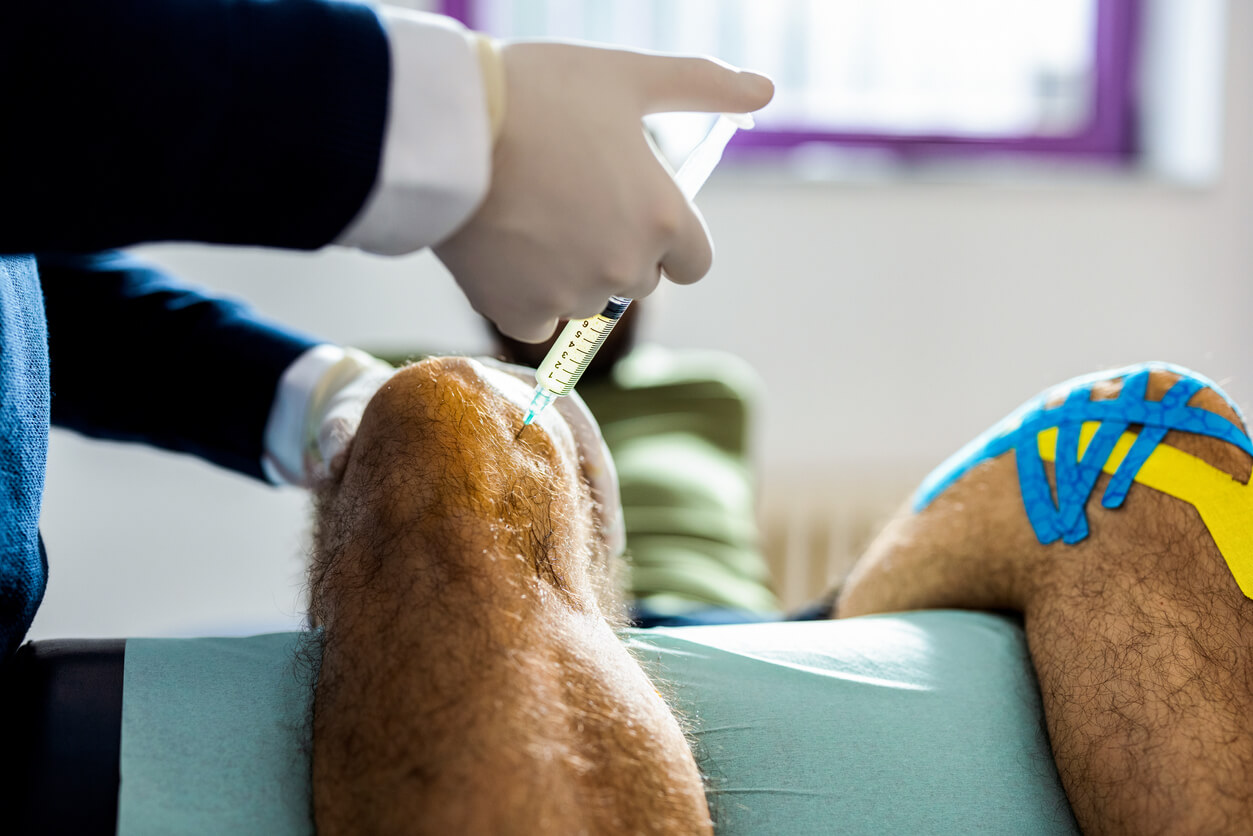
Many retinal conditions can be managed without surgery, depending on their severity. Intravitreal injections deliver medication directly into the eye to treat diseases such as macular degeneration. Laser therapy is commonly used to repair small retinal tears or seal leaking blood vessels. Anti VEGF treatments help control abnormal blood vessel growth and reduce swelling. Steroid medications may be prescribed to address inflammation. In some cases, observation and regular monitoring are sufficient. These non surgical approaches aim to preserve vision and prevent further damage. Consistent follow up care ensures that treatments remain effective.
Surgical Options for Advanced Conditions
When non surgical treatments are not enough, surgical procedures may be necessary. Vitrectomy involves removing the vitreous gel to allow access to the retina for repair. Scleral buckle surgery supports the retina by placing a band around the eye. Pneumatic retinopexy uses a gas bubble to reposition the retina and promote healing. Membrane peeling removes scar tissue that may distort vision. Advances in surgical techniques have improved precision and reduced recovery times. These procedures are tailored to the patient’s specific condition. Surgical intervention can significantly improve or stabilize vision when performed promptly.
Recovery and Long Term Care
Post treatment care is an important part of Vitreo Retina Management. Patients may experience temporary discomfort, redness, or blurred vision as the eye heals. Following medical instructions, including the use of prescribed medications, is essential. Some procedures require specific positioning to support recovery. Regular follow up visits allow specialists to monitor progress and make necessary adjustments. Patients should watch for any unusual symptoms, such as increased pain or sudden vision changes. Vision rehabilitation may help individuals adapt to changes in their eyesight. Long term care ensures that vision remains stable and protected.
Preventive Measures for Healthy Vision
Preventive care plays a significant role in maintaining retinal health. Regular eye exams help detect problems before they become severe. Managing chronic conditions such as diabetes and hypertension is crucial. Wearing protective eyewear reduces the risk of injury. A healthy diet rich in essential nutrients supports eye function. Avoiding smoking helps maintain proper blood flow to the retina. Staying physically active contributes to overall health and well being. These preventive measures are key to effective Vitreo Retina Management.
Daily Habits That Support Retinal Wellness
- Schedule annual eye examinations with a specialist
- Keep blood sugar and blood pressure under control
- Eat a balanced diet rich in leafy greens and fish
- Wear sunglasses to protect against UV exposure
- Avoid smoking and limit unhealthy habits
- Maintain an active lifestyle for overall health
Emerging Trends in Vitreo Retina Management
The field of Vitreo Retina Management continues to evolve with new technologies and treatments. Advanced imaging systems allow for earlier detection of retinal conditions. Artificial intelligence is being used to analyze eye scans and improve diagnostic accuracy. Gene therapy offers potential solutions for inherited retinal diseases. New drug delivery methods reduce the need for frequent treatments. Minimally invasive surgical techniques improve patient comfort and recovery times. These innovations are transforming patient care and outcomes. Ongoing research continues to expand the possibilities for treating retinal conditions.
Choosing a Trusted Specialist
Selecting the right specialist is essential for effective Vitreo Retina Management. A vitreoretinal specialist has the expertise needed to diagnose and treat complex conditions. Patients should consider experience, technology, and patient care when choosing a provider. Asking questions about treatment options and expected outcomes can help build confidence. A supportive healthcare team enhances the overall experience. Clear communication between patient and specialist is key to successful treatment. Making an informed decision ensures access to high quality care.
Frequently Asked Questions
What does Vitreo Retina Management involve
It includes diagnosing, treating, and monitoring conditions affecting the vitreous and retina.
Who should get regular retinal checkups
Individuals with diabetes, aging concerns, or a family history of eye disease should have regular exams.
Are all floaters dangerous
Most are harmless, but sudden changes should be evaluated by a specialist.
How effective are retinal treatments
Effectiveness depends on the condition and how early it is treated, with many patients experiencing improvement.
Is surgery always required
No, many conditions can be managed with non surgical treatments.
How can I protect my vision
Maintaining a healthy lifestyle and attending regular eye exams are key steps.
What happens if retinal conditions are untreated
They can lead to permanent vision loss or other serious complications.
How often should follow up visits occur
This depends on the condition, but regular monitoring is essential for long term care.
Takeaway
Vitreo Retina Management is essential for preserving vision and addressing complex eye conditions that affect the retina and vitreous. Early detection, proper treatment, and consistent follow up care play a significant role in maintaining eye health. With advancements in technology and treatment methods, patients now have access to more effective solutions than ever before. Preventive strategies and healthy lifestyle choices further support long term vision. Choosing an experienced specialist ensures the best possible care and outcomes. Prioritizing eye health today helps secure clear vision for the years ahead.