What Are Ganglion Cysts?
Ganglion cysts are small, fluid-filled lumps that often appear on the wrist, hand, or fingers, though they can also develop on the feet or ankles. These cysts arise from joint tissues or tendon linings, causing a jelly-like swelling beneath the skin. The exact cause is not fully understood, but repetitive joint motion, minor injuries, or strain often contribute to their formation. Some cysts remain painless, while others can create discomfort, numbness, or tingling if they press on surrounding nerves. Patients may notice a visible lump that changes size over time, especially with activity. Even though many ganglion cysts do not interfere with daily life, persistent pain or functional limitations usually prompt surgical evaluation. Early recognition allows for timely intervention and prevents further complications.
Symptoms That Indicate the Need for Surgery
While some ganglion cysts are harmless, others may interfere with wrist or hand function. Common symptoms include a noticeable lump, swelling, or tenderness around the joint. Pain may worsen during movement, and patients may experience tingling or numbness if nearby nerves are compressed. Stiffness or limited range of motion can make simple tasks like typing, lifting, or gripping objects difficult. In some cases, the cyst may become red, warm, or tender, suggesting inflammation or infection. Patients should seek medical attention if cysts continue to grow, cause discomfort, or affect mobility. Recognizing these signs ensures timely treatment and reduces the risk of chronic issues.
Non-Surgical Options Before Surgery
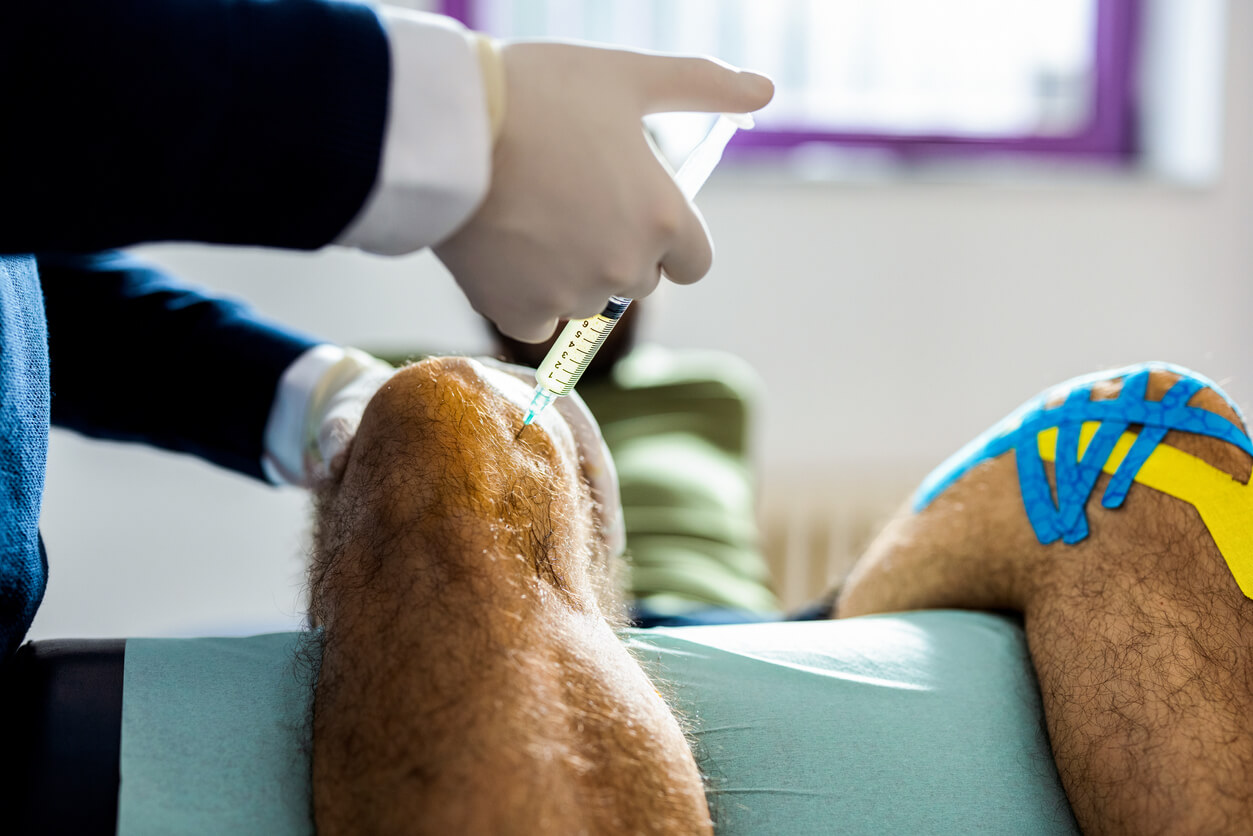
Before considering surgery, several non-invasive approaches may help manage ganglion cysts. Observation is often recommended for painless cysts, as they may shrink naturally over time. Wrist splints or braces can reduce movement and alleviate discomfort. Aspiration, or fluid drainage, may temporarily relieve symptoms, though recurrence is common. Physical therapy exercises can strengthen surrounding muscles and improve joint function. Over-the-counter anti-inflammatory medications may help with pain or swelling. While these approaches work for some patients, persistent or painful cysts typically require surgical intervention. Consulting a qualified hand or orthopedic surgeon in Manila helps determine the most suitable approach.
Why Surgery Becomes Necessary
Surgery is generally recommended when non-surgical methods fail to provide relief or the cyst causes functional limitations. Persistent pain that affects daily activities is a major reason to consider removal. Recurring cysts after aspiration or other treatments are also strong candidates for surgery. Patients may also opt for surgery due to cosmetic concerns if the cyst is visible and bothersome. Surgeons assess the cyst’s size, location, and effect on nearby tissues before recommending surgical removal. Timely surgery can prevent complications, improve hand function, and reduce the chance of recurrence. Understanding when surgery is necessary helps patients make informed decisions with their doctor.
Types of Ganglion Cyst Surgery in Manila
Patients in Manila can choose from different surgical options depending on cyst size and location.
- Open Excision Surgery: The traditional approach involves making an incision directly over the cyst to remove it along with its stalk. This method allows direct visualization of surrounding tissues, lowering the chance of recurrence. Recovery usually takes several weeks, with limitations on hand use during healing.
- Arthroscopic Surgery: A minimally invasive technique using a small camera and instruments inserted through tiny incisions. This approach results in less scarring, reduced pain, and faster recovery. However, it may not be suitable for all cysts.
- Comparison: Open surgery slightly lowers recurrence risk, while arthroscopic surgery offers faster healing and better cosmetic results. Understanding these differences helps patients make informed treatment decisions.
Preparing for Surgery
Proper preparation ensures a safer procedure and smoother recovery. Surgeons may request imaging tests such as X-rays, ultrasound, or MRI to evaluate the cyst. Patients are usually instructed to fast and adjust medications before surgery. Anesthesia options, including local, regional, or general anesthesia, are discussed to ensure comfort. Preparing the home environment for post-surgery care, arranging help for daily activities, and scheduling follow-up appointments are essential steps. Patients should also prepare questions for the surgeon regarding recovery, risks, and alternative treatments. Adequate preparation helps reduce stress and improves overall outcomes.
What Happens During Surgery
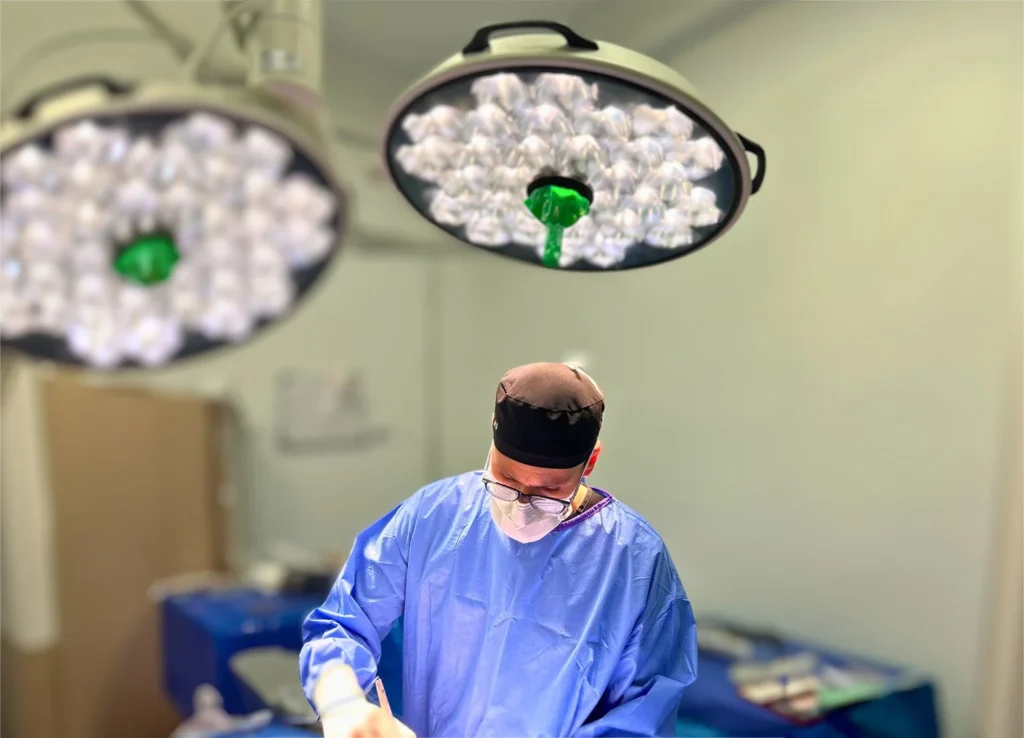
Ganglion cyst surgery is usually outpatient, allowing patients to return home the same day. The procedure begins with anesthesia to prevent pain. In open excision, the surgeon makes an incision over the cyst and removes it along with its stalk. Arthroscopic surgery involves small incisions and a camera for guided removal. Most surgeries take between 30 and 60 minutes. After the procedure, the incision is dressed, and patients receive instructions for pain management and wound care. Limiting hand use and following postoperative instructions are important to prevent complications. Understanding the surgical process can help patients feel more confident and prepared.
Recovery and Rehabilitation
Recovery after ganglion cyst surgery involves wound care and gradual return to daily activities. Elevating the hand and limiting movement during the initial days help reduce swelling and promote healing. Following instructions for cleaning the incision and changing dressings prevents infection. Pain management may involve medications or anti-inflammatory treatments. Physical therapy is critical for restoring joint mobility, strength, and flexibility. Exercises are introduced gradually to prevent strain on healing tissues. Light activities can often resume within a few weeks, while heavier work or repetitive movements may require additional time. Adhering to rehabilitation guidelines improves outcomes and minimizes recurrence.
Risks and Possible Complications
Like all surgeries, ganglion cyst removal carries potential risks. Infection at the incision site is possible, though uncommon with proper care. Bleeding or hematoma formation may occur, requiring monitoring. Nerve or tendon injury is a rare but serious complication. Scar tissue formation can lead to stiffness, which may require therapy to resolve. Recurrence of the cyst is possible even with complete excision. Discussing risks and following postoperative instructions minimizes complications and supports recovery. Awareness of these risks helps patients make informed decisions.
Choosing a Surgeon in Manila
Selecting a skilled surgeon is crucial for safe and effective cyst removal. Patients should look for orthopedic or hand surgeons with experience in ganglion cyst excision. Credentials, certifications, and years of practice are key factors in identifying qualified professionals. Checking patient reviews can provide insight into expertise and bedside manner. Modern facilities with proper surgical equipment support better outcomes. Consultation should cover recovery expectations, recurrence risks, and alternative options. Clear communication with the surgeon ensures understanding and confidence throughout treatment.
Cost Considerations
Surgery costs in Manila vary depending on the procedure, hospital, and surgeon. Open excision may cost more due to longer operative time and follow-up care. Arthroscopic surgery involves specialized equipment, influencing pricing. Insurance coverage can help offset expenses if the surgery is medically necessary. Additional costs include preoperative tests, medications, and physical therapy sessions. Discussing expenses in advance allows patients to plan effectively. Understanding the financial aspect prevents unexpected surprises and supports informed decision-making.
Frequently Asked Questions (FAQ)
How long does the surgery take?
Most procedures last 30 to 60 minutes, depending on the cyst’s size and complexity.
Is it painful?
Anesthesia ensures a pain-free experience during surgery, and postoperative discomfort is usually manageable with medications.
Can the cyst come back?
Recurrence is possible but less likely if the cyst and stalk are fully removed.
When can I resume daily activities or sports?
Light activities may resume within weeks, while heavy use of the wrist or hand may take longer.
Are non-surgical treatments effective?
Splints, aspiration, and physical therapy may help, but persistent or painful cysts often require surgery.
Takeaway
Ganglion cyst surgery in Manila provides a reliable solution for patients experiencing pain, functional limitations, or recurring cysts. Understanding the types of surgery, preparation steps, recovery process, and risks helps patients make informed decisions. Choosing a qualified surgeon and following postoperative care ensures optimal outcomes. With proper rehabilitation and guidance, most patients regain full wrist and hand function, allowing them to return to daily activities comfortably. Access to professional care in Manila makes it easier for patients to receive effective treatment tailored to their needs.