Understanding Vertical Green Wall Systems
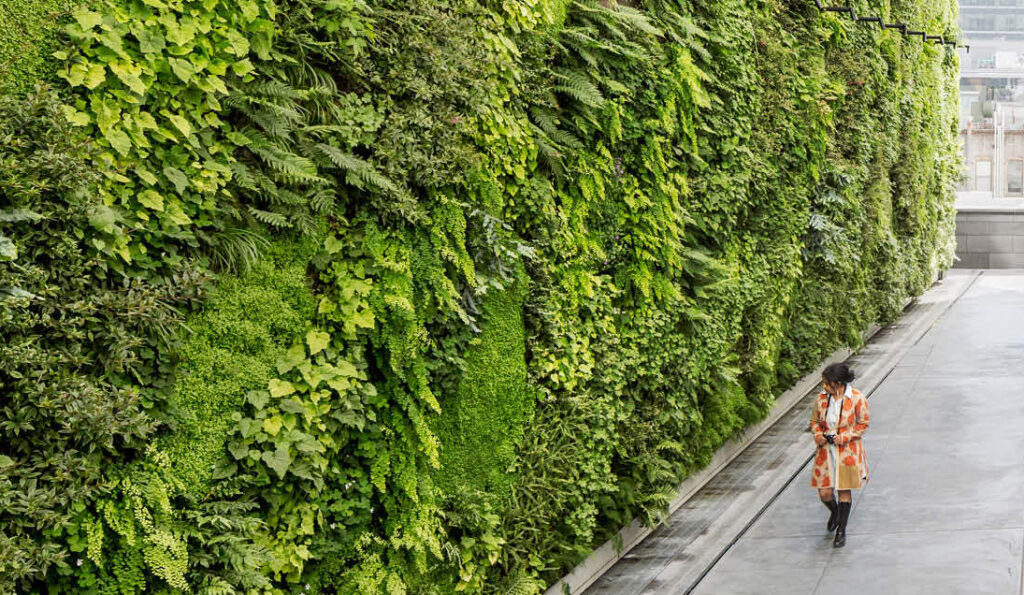
A vertical green wall system is an innovative way to integrate nature into modern spaces, whether indoors or outdoors. Unlike traditional landscaping, vertical green walls utilize vertical space to grow plants, creating lush, living panels that can enhance the visual appeal of any environment. These systems are composed of modular panels, felt layers, or hydroponic setups that support plant growth while providing proper irrigation and drainage. Modular panels are often pre-planted and easy to install, making them ideal for both residential and commercial spaces. Felt systems offer flexibility, allowing plants to grow directly into the fabric while maintaining a lightweight structure. Hydroponic vertical walls rely on nutrient-rich water solutions instead of soil, promoting faster growth and reducing the risk of pests. The versatility of vertical green wall systems makes them suitable for a wide range of designs, from small indoor walls to expansive outdoor installations.
Environmental and Aesthetic Benefits
A vertical green wall system delivers multiple benefits that go beyond aesthetics. One of the most notable advantages is air purification, as plants naturally filter pollutants and produce oxygen. These walls can also improve thermal insulation, reducing heating and cooling costs while enhancing energy efficiency. Noise reduction is another key feature, especially in urban areas where external sounds can be disruptive. From an aesthetic perspective, vertical green walls transform blank walls into vibrant living art, adding texture, color, and depth to any space. They also create calming environments, which can boost mental well-being in workplaces or residential settings. Moreover, the presence of greenery indoors has been linked to increased productivity, reduced stress, and improved mood. Combining environmental and aesthetic benefits, vertical green wall systems represent a sustainable and visually appealing solution for modern living and working spaces.
Design Considerations
Designing a vertical green wall system requires thoughtful planning to ensure the wall thrives and complements the surrounding environment. Plant selection is critical, as some species perform better indoors while others are suited for outdoor climates. Low-maintenance plants like ferns, pothos, and succulents are ideal for beginners, while flowering plants can create seasonal color changes. Structural materials such as metal frames, PVC panels, or recycled wood should be chosen based on durability and weight support. Proper integration of irrigation systems is essential, with drip or hydroponic methods ensuring even water distribution. Lighting also plays a significant role; natural sunlight or supplemental LED grow lights can keep plants healthy and vibrant. Designers must consider building types and wall orientations, as exposure to wind, sunlight, and humidity directly impacts plant growth and longevity. A well-thought-out design ensures a vertical green wall system remains both functional and visually striking.
Installation Process
Installing a vertical green wall system starts with a thorough wall assessment to determine load-bearing capacity and proper support structures. Preparation includes cleaning the wall surface, installing waterproof membranes, and setting up any necessary frameworks. Modular systems are often the easiest to install, allowing panels to be attached directly to the wall with minimal tools. Hydroponic systems require additional plumbing for nutrient solutions and pumps to circulate water effectively. Common challenges during installation include ensuring even irrigation, preventing water leakage, and securing plants properly. Professional assistance can help address these challenges, especially for larger or outdoor walls. DIY enthusiasts can also manage smaller installations with pre-planted panels and straightforward mounting techniques. Once installed, monitoring the wall for a few weeks ensures plants establish roots and adapt to their new environment.
Maintenance and Longevity
A vertical green wall system requires ongoing care to maintain its health and appearance. Daily routines might include checking irrigation systems, removing dead leaves, and monitoring plant health for signs of pests or disease. Weekly tasks can involve trimming overgrown plants, fertilizing, and cleaning any algae buildup in hydroponic systems. Seasonal maintenance may require replacing plants that do not thrive, adjusting lighting, or updating irrigation schedules to match weather conditions. Fertilization is particularly important in soil-free or hydroponic setups, as plants rely entirely on provided nutrients. Pest management can range from manual removal to natural treatments, ensuring minimal disruption to the ecosystem. A properly maintained vertical green wall system can last for years, continually enhancing the space and providing environmental benefits.
Cost Considerations and ROI
The initial cost of a vertical green wall system can vary widely depending on materials, plants, and system complexity. Modular panels tend to be more expensive upfront but reduce installation time and long-term maintenance challenges. Hydroponic walls may require higher investment in pumps, timers, and nutrient solutions but offer faster growth and higher density coverage. Despite upfront costs, the long-term benefits often justify the investment, including energy savings from improved insulation and enhanced property value. Budget-friendly alternatives include DIY installations using recycled materials or smaller wall sections. For commercial spaces, a well-maintained green wall can elevate brand perception and improve employee satisfaction. Evaluating professional installation versus self-installation helps balance cost with convenience and quality.
Practical Applications
Vertical green wall systems are highly versatile and suitable for various settings. In residential spaces, they can transform balconies, living rooms, and kitchens into green retreats. Commercial applications include office lobbies, hotels, restaurants, and shopping centers, where they enhance aesthetic appeal and create a welcoming environment. Urban planners are increasingly incorporating green walls in public spaces to improve air quality and reduce urban heat effects. Beyond beauty, these walls support sustainability initiatives, helping organizations meet environmental responsibility goals. Vertical green walls can also serve functional purposes, such as creating privacy screens, covering unsightly structures, or acting as natural dividers in open spaces. The adaptability of these systems makes them a powerful tool in both interior design and urban environmental planning.
Frequently Asked Questions (FAQ)
- How long does a vertical green wall system last?
With proper maintenance, a vertical green wall can last 10 years or more, depending on plant selection and environmental conditions. - What are the most low-maintenance plants for green walls?
Ferns, pothos, philodendrons, and succulents are popular low-maintenance options suitable for most indoor setups. - Can vertical green walls be installed outdoors in all climates?
Yes, but plant selection should match local climate conditions, and additional support may be needed for extreme weather exposure. - How much water does a vertical green wall need daily?
Watering requirements vary by plant type, wall size, and irrigation method, but most hydroponic or drip systems automatically regulate moisture levels. - Are there health benefits associated with indoor green walls?
Yes, they can improve air quality, reduce stress, increase productivity, and enhance overall well-being.
Takeaway
Investing in a vertical green wall system is a sustainable, visually stunning way to elevate any space. From environmental benefits like air purification and thermal insulation to aesthetic improvements and mental well-being, these living walls offer a wide range of advantages. Proper design, careful installation, and consistent maintenance ensure long-term success, while diverse applications allow both residential and commercial spaces to reap the rewards. Whether you are looking to boost property value, create a serene indoor environment, or support sustainability goals, a vertical green wall system provides a modern solution that harmoniously blends nature with architecture.