
Understanding Infertility and the Role of Infertility Treatment
Infertility is a medical condition characterized by the inability to achieve pregnancy after 12 months of regular, unprotected intercourse. It affects both men and women and is influenced by a variety of biological, hormonal, and lifestyle factors. Infertility treatment focuses on identifying the underlying cause of reproductive challenges and providing appropriate medical or assisted solutions to improve the chances of conception. Many individuals facing fertility difficulties experience emotional stress, uncertainty, and physical concerns that may affect their quality of life. Modern reproductive medicine has significantly improved the availability and effectiveness of infertility treatment options. Early evaluation is essential because it allows specialists to identify issues before they progress further. With proper care, many individuals are able to explore effective fertility treatment options tailored to their needs.
Causes That Lead to the Need for Infertility Treatment
Infertility treatment is often required due to a range of reproductive health conditions affecting both partners. In women, ovulation disorders such as polycystic ovary syndrome can disrupt regular egg release and reduce fertility. Endometriosis may affect reproductive organs and interfere with implantation and fertilization. Blocked fallopian tubes can prevent sperm from reaching the egg, making natural conception difficult. Age-related decline in egg quality also plays a significant role in fertility challenges. In men, infertility may result from low sperm count, poor motility, or abnormal sperm structure. Hormonal imbalances and structural abnormalities in the reproductive system may also contribute. In some cases, infertility remains unexplained even after testing, making infertility treatment necessary for further intervention and support.
Diagnostic Evaluation Before Infertility Treatment
A thorough diagnostic process is essential before starting infertility treatment. Both partners are typically evaluated to ensure a complete understanding of reproductive health. Women undergo hormone testing to assess ovulation patterns and reproductive function. Imaging techniques such as ultrasound and specialized scans help evaluate the uterus and fallopian tubes. Men undergo semen analysis to measure sperm count, motility, and morphology. Genetic testing may be recommended in cases of recurrent pregnancy loss or unexplained infertility. These diagnostic procedures help fertility specialists develop a personalized infertility treatment plan. Accurate diagnosis increases the likelihood of selecting the most effective fertility treatment options.
Lifestyle Factors Supporting Infertility Treatment
Lifestyle habits can significantly influence fertility and support infertility treatment outcomes. A nutrient-rich diet that includes antioxidants, vitamins, and healthy fats supports reproductive function. Maintaining a healthy weight is important because both underweight and overweight conditions can disrupt hormonal balance. Regular physical activity improves blood circulation and supports overall hormonal health. Stress management techniques such as meditation and counseling can help reduce emotional strain that may affect fertility. Adequate sleep is essential for hormone regulation and reproductive health. Avoiding smoking, alcohol, and exposure to environmental toxins is strongly recommended. These lifestyle adjustments complement infertility treatment but do not replace medical intervention.
Medical Approaches in Infertility Treatment
Medical infertility treatment often begins with medications designed to regulate ovulation and improve reproductive function. Ovulation induction medications such as clomiphene citrate and letrozole are commonly used to stimulate egg production. Injectable hormonal therapies may be recommended for more complex cases requiring controlled ovarian stimulation. Hormonal treatments can also address thyroid disorders or prolactin imbalances affecting fertility. Progesterone supplementation may be used to support early pregnancy development after conception. These treatments are closely monitored through blood tests and ultrasound imaging. Fertility specialists adjust treatment plans based on patient response. Medical infertility treatment forms the foundation of many fertility care strategies.
Surgical Procedures in Infertility Treatment
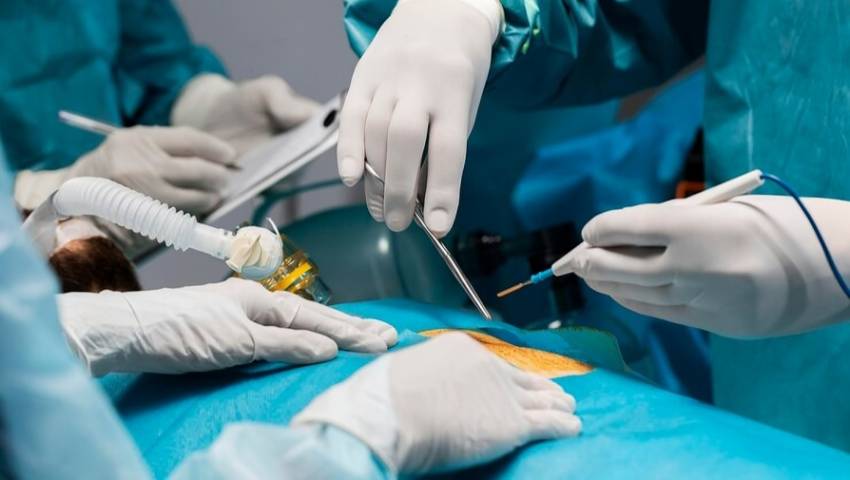
Surgical infertility treatment is recommended when structural issues affect reproductive function. In women, laparoscopic surgery may be used to remove endometriosis tissue that interferes with fertility. Fibroid removal procedures can restore normal uterine structure and improve implantation potential. Tubal surgeries may correct blockages in the fallopian tubes. In men, varicocele repair can improve sperm quality and production. Some procedures are minimally invasive and offer quicker recovery times. Surgical treatment is often combined with other infertility treatment methods to improve success rates. The choice of surgery depends on diagnostic findings and fertility goals.
Assisted Reproductive Technologies in Infertility Treatment
Assisted reproductive technologies (ART) are advanced infertility treatment methods used when natural conception is not possible or has limited success. Intrauterine insemination (IUI) involves placing processed sperm directly into the uterus to improve fertilization chances. In vitro fertilization (IVF) is a widely used infertility treatment option where eggs are fertilized outside the body and then transferred into the uterus. IVF provides greater control over fertilization and embryo development. Intracytoplasmic sperm injection (ICSI) is used in cases of severe male infertility by injecting a single sperm into an egg. Cryopreservation allows eggs, sperm, or embryos to be frozen for future use. These technologies require specialized laboratory expertise and careful monitoring. ART significantly expands fertility treatment options for many individuals.
Advanced Infertility Treatment Options
Advanced infertility treatment options are available for individuals with complex reproductive challenges. Preimplantation genetic testing helps identify genetically healthy embryos before implantation during IVF cycles. Donor egg and donor sperm programs provide alternatives when biological reproductive cells cannot be used. Gestational surrogacy allows another individual to carry a pregnancy for those unable to do so. Emerging regenerative medicine approaches are being studied to improve ovarian function and reproductive health. Experimental treatments aim to enhance egg quality and fertility potential in difficult cases. These advanced infertility treatment options require specialized medical expertise and ethical consideration. Treatment plans are highly personalized based on individual medical conditions.
Emotional Support During Infertility Treatment
Emotional well-being is a critical aspect of infertility treatment because fertility challenges can affect mental health. Many individuals experience anxiety, sadness, or emotional exhaustion during treatment cycles. Counseling services provide coping strategies and emotional guidance throughout the process. Couples counseling can help improve communication and strengthen relationships during treatment. Support groups offer shared experiences that reduce feelings of isolation. Stress management techniques such as mindfulness and breathing exercises may improve emotional stability. Fertility clinics often integrate psychological care into infertility treatment programs. Emotional support enhances overall treatment experience and engagement.
Financial Considerations in Infertility Treatment
Infertility treatment costs vary depending on the type of procedure and number of cycles required. Medication-based treatments are generally more affordable compared to advanced procedures such as IVF. Insurance coverage varies widely depending on location and healthcare providers. Many individuals explore financing options or payment plans to manage treatment costs. Additional expenses may include laboratory testing, medications, and monitoring procedures. Financial planning is important before starting infertility treatment to avoid unexpected burdens. Fertility clinics often provide counseling to help patients understand costs. Financial preparedness supports smoother treatment experiences.
Factors Affecting Infertility Treatment Success
Several factors influence the success of infertility treatment. Age is one of the most important factors, particularly for women due to declining egg quality. Sperm health also plays a significant role in fertilization success. The underlying cause of infertility determines which infertility treatment options are most effective. Clinic expertise and laboratory quality can significantly impact outcomes. Lifestyle habits such as diet, stress, and exercise influence treatment success rates. Proper adherence to treatment protocols improves results. Combining medical treatment with healthy lifestyle choices enhances overall effectiveness.
Preventive Measures for Reproductive Health
Preventive care supports reproductive health and may reduce the need for infertility treatment in the future. Regular medical checkups help detect reproductive issues early. Safe sexual practices reduce the risk of infections that may affect fertility. Maintaining a healthy lifestyle supports long-term reproductive function. Avoiding harmful substances such as smoking and excessive alcohol is strongly recommended. Early fertility awareness helps individuals make informed family planning decisions. Education on reproductive health plays an important role in prevention. While not all fertility issues are preventable, healthy habits improve reproductive outcomes.
Emerging Trends in Infertility Treatment
Infertility treatment continues to advance with new medical technologies and research innovations. Artificial intelligence is being used to improve embryo selection during IVF procedures. Genetic testing methods are becoming more accurate and widely available. Cryopreservation techniques are improving long-term storage success rates. Personalized infertility treatment approaches are being developed based on genetic and biological profiles. Non-invasive diagnostic tools are improving fertility assessments. Research into ovarian rejuvenation is showing promising developments. These advancements continue to expand fertility treatment options.
Frequently Asked Questions
What is infertility treatment?
Infertility treatment refers to medical, surgical, or assisted reproductive methods used to help individuals or couples achieve pregnancy. It includes a range of fertility treatment options depending on the cause of infertility.
When is infertility treatment needed?
Infertility treatment is generally needed after 12 months of unsuccessful conception attempts. For individuals over 35, evaluation is recommended after six months. Early assessment improves treatment outcomes.
What are the main infertility treatment options?
Common options include medication therapy, surgical procedures, intrauterine insemination, and in vitro fertilization. Treatment depends on the underlying cause of infertility.
Is infertility treatment effective?
Effectiveness depends on age, diagnosis, and treatment type. Many individuals achieve successful results with proper infertility treatment and medical support.
Can lifestyle changes improve fertility?
Yes, healthy lifestyle changes can support fertility and improve treatment outcomes. However, medical infertility treatment is often still required.
How long does infertility treatment take?
Treatment duration varies depending on the method used. Some treatments take weeks, while others such as IVF may take several months per cycle.
Takeaway
Infertility treatment offers a wide range of medical, surgical, and advanced reproductive solutions designed to address diverse fertility challenges. The effectiveness of infertility treatment depends on early diagnosis, personalized care, and the right combination of fertility treatment options. Lifestyle habits, emotional support, and financial planning also play important roles in the overall process. Continuous advancements in reproductive medicine continue to improve outcomes and expand possibilities for individuals and couples seeking to build a family.