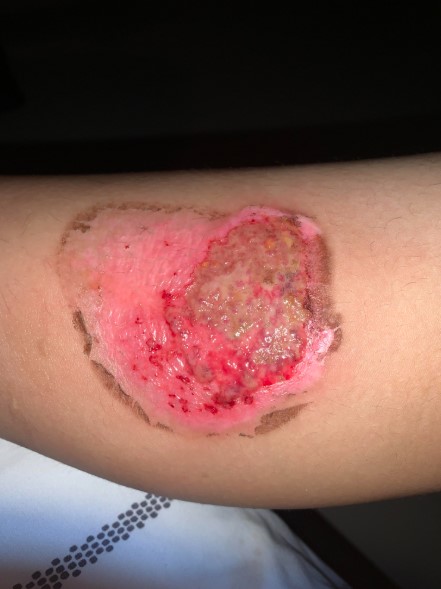
Kalingap Wound Care Clinic in Quezon City provides specialized care for patients suffering from chronic wounds, offering solutions across Metro Manila and the Philippines. Treatment of Non Healing Wounds requires expert evaluation, advanced techniques, and a patient-centered approach to ensure effective healing and improved quality of life. Patients dealing with pressure ulcers, decubitus ulcers, diabetic foot ulcers, or venous insufficiency ulcers benefit from comprehensive care plans designed to address the underlying causes of persistent wounds.
Chronic wounds can be physically painful and emotionally challenging. Kalingap Wound Care Clinic addresses these challenges by combining medical expertise with compassionate care, making the recovery process safer, faster, and more reliable.
Understanding Non Healing Wounds
Non healing wounds are wounds that fail to progress through the normal stages of healing, often persisting for weeks or months. Common examples include pressure ulcers, decubitus ulcers, diabetic foot ulcers, and venous insufficiency ulcers. Factors such as poor circulation, diabetes, prolonged immobility, infection, and underlying medical conditions can prevent wounds from healing naturally.
Pressure ulcers and decubitus ulcers typically affect patients with limited mobility and can lead to severe complications if untreated. Diabetic foot ulcers pose a high risk of infection and may result in amputations without proper care. Venous insufficiency ulcers, often occurring on the legs, result from poor blood circulation and require specialized management. Timely and focused treatment is essential to prevent complications and improve outcomes.
Treatment of Non Healing Wounds starts with a comprehensive assessment to understand the wound’s severity, underlying causes, and patient-specific factors. Early intervention is critical for reducing healing time and preventing further complications.
Meet Dr. Lou Mervyn Tec – Wound Care Expert
Dr. Lou Mervyn Tec, MD, FPOA, leads the wound care program at Kalingap Wound Care Clinic. He is a board-certified orthopedic surgeon and wound care specialist with extensive experience in managing chronic wounds. Dr. Tec provides advanced care using techniques such as ultrasonic-assisted debridement and negative pressure wound therapy (NPWT), which have proven highly effective for persistent wounds.
His approach emphasizes both technical expertise and patient comfort. Dr. Tec ensures that elderly patients and those in long-term care receive treatment that is safe, respectful, and tailored to their needs. His commitment to personalized care has positioned Kalingap Wound Care Clinic as a leading provider of Treatment of Non Healing Wounds in the Philippines.
Comprehensive Services for Non Healing Wounds
Advanced Wound Assessment
Every patient receives a thorough evaluation using evidence-based tools. Advanced wound assessment allows clinicians to identify the wound type, stage, and contributing factors, ensuring that the treatment plan is tailored to the patient’s condition. Personalized plans increase the likelihood of faster healing and prevent recurrence.
Ultrasonic-Assisted Debridement
Ultrasonic-assisted debridement is a gentle yet effective method for removing dead or infected tissue without damaging healthy skin. This process prepares the wound bed for optimal healing and reduces the risk of infection. It is especially useful for chronic wounds that have resisted traditional treatment methods.
Negative Pressure Wound Therapy
Negative Pressure Wound Therapy, or vacuum-assisted closure, accelerates the healing process by improving blood flow, reducing swelling, and removing excess fluid from the wound site. NPWT is suitable for a variety of chronic wounds, including diabetic foot ulcers and pressure injuries, and is a cornerstone of effective Treatment of Non Healing Wounds.
Pressure Ulcer Treatment
Pressure ulcers, commonly known as bedsores, require careful monitoring and management to prevent further skin breakdown. Kalingap Wound Care Clinic implements specialized dressings, regular repositioning, and targeted interventions to reduce pressure and promote healing. Treatment focuses on restoring skin integrity while minimizing discomfort for the patient.
Decubitus Ulcer Management
Decubitus ulcers are a form of pressure injury often found in patients with limited mobility. Kalingap provides focused care that includes advanced wound dressings, pressure relief strategies, and continuous monitoring to ensure the wound heals effectively. Regular follow-ups are essential to prevent complications and promote full recovery.
Diabetic Foot Ulcer Care
Diabetic foot ulcers can lead to severe infections if untreated. Kalingap’s approach combines infection control, wound care, and patient education to prevent further damage. Clinicians guide patients on proper foot hygiene, pressure offloading, and lifestyle adjustments to support long-term healing. This structured care reduces the risk of complications and potential amputations.
Venous Insufficiency Ulcer Care
Venous insufficiency ulcers are caused by poor blood flow in the legs. Treatment includes compression therapy, wound care, and circulation-focused interventions. Kalingap emphasizes consistent monitoring and patient education to prevent recurrence while improving the patient’s mobility and quality of life.
Elderly Patient & Long-Term Care
Chronic wounds in elderly patients require a sensitive and supportive approach. Kalingap Wound Care Clinic offers programs designed for seniors, ensuring that wound care is both effective and comfortable. Regular monitoring, gentle treatments, and careful attention to overall health are integral parts of long-term wound management.
Education & Prevention Programs
Preventing chronic wounds is a critical component of Kalingap’s care model. Patients and caregivers participate in one-on-one sessions and workshops to learn proper wound care techniques, skin protection strategies, and lifestyle adjustments. Education empowers patients to actively participate in their recovery and reduces the likelihood of future wounds.
Why Kalingap Wound Care Clinic Stands Out
Kalingap Wound Care Clinic combines modern medical technologies with compassionate care. Advanced techniques like ultrasonic-assisted debridement and negative pressure wound therapy are complemented by personalized treatment plans that address each patient’s unique needs.
The clinic specializes in challenging cases, including pressure ulcers, diabetic foot ulcers, and venous insufficiency ulcers. A strong focus on patient comfort, education, and prevention ensures that patients not only heal but also maintain their recovery. Kalingap’s commitment to excellence and patient-first approach has established it as a trusted center for Treatment of Non Healing Wounds in Metro Manila and across the Philippines.
Success Stories and Patient Experiences
Patients at Kalingap Wound Care Clinic have experienced significant improvements in wound healing, mobility, and overall quality of life. Elderly patients recovering from pressure ulcers and decubitus ulcers report increased comfort and reduced pain. Diabetic patients have successfully avoided complications and amputations through dedicated care and education.
These success stories highlight the effectiveness of advanced wound care methods combined with compassionate attention, demonstrating why Kalingap is a reliable choice for Treatment of Non Healing Wounds
Takeaway
Kalingap Wound Care Clinic offers comprehensive solutions for Treatment of Non Healing Wounds across Quezon City, Metro Manila, and the Philippines. Patients seeking effective wound management, expert care, and long-term recovery support are encouraged to schedule a consultation. Early intervention improves outcomes, reduces complications, and restores confidence in daily life..
FAQ – Treatment of Non Healing Wounds
Q: What types of wounds are treated at Kalingap Wound Care Clinic?
A: The clinic treats chronic wounds, including pressure ulcers, decubitus ulcers, diabetic foot ulcers, and venous insufficiency ulcers.
Q: How long does it take for non healing wounds to heal?
A: Healing time varies depending on the wound type, severity, and patient health. Personalized treatment plans aim to achieve the fastest and safest recovery possible.
Q: Is negative pressure wound therapy painful?
A: NPWT is generally well-tolerated. It promotes healing while minimizing discomfort for the patient.
Q: Can elderly patients safely receive treatment?
A: Yes. Kalingap provides specialized programs for seniors, emphasizing comfort, safety, and consistent monitoring.
Q: Are there prevention programs for chronic wounds?
A: Absolutely. Patients and caregivers receive guidance, education, and strategies to prevent future wounds, maintain skin health, and support recovery.