
Water leakage is one of the most common issues that homeowners and property managers face, yet it is often underestimated until significant damage occurs. Leaks can originate from various sources, including plumbing pipes, roofs, appliances, and even the foundation of your property. If left unattended, water leakage can lead to structural damage, mold growth, increased utility bills, and compromised electrical systems. Identifying water leaks early is essential for protecting both your property and your health. Visible signs such as water stains on walls and ceilings, dripping sounds, and persistent damp odors can indicate a problem. Sometimes, leaks are hidden behind walls, under floors, or in crawl spaces, making them harder to detect. Understanding the causes, detection methods, and repair techniques is crucial for keeping your home safe and maintaining its value.
Water leakage can stem from a variety of issues. Aging or damaged pipes are often the culprit, as corrosion or wear over time can result in cracks or breaks. Poor plumbing installation, such as incorrectly sealed joints or incompatible materials, can create recurring leaks. Roof leaks and clogged gutters are other common sources, especially after heavy rain or snow. Appliances like washing machines, dishwashers, and water heaters can develop leaks due to worn-out hoses, faulty valves, or internal malfunctions. Groundwater seepage and foundation cracks can also cause slow but persistent water intrusion. Even minor leaks can escalate quickly, leading to significant repair costs if ignored. By recognizing these common causes, property owners can take preventive action and reduce the likelihood of major water damage.
Detecting water leaks early can save both money and stress. Start with a thorough visual inspection of your property, including ceilings, walls, floors, and around plumbing fixtures. Look for discoloration, bulging paint, warped flooring, or damp patches. Water meters and smart leak detectors can also help identify leaks that are not immediately visible. Thermal imaging cameras and moisture sensors are particularly useful for detecting hidden leaks behind walls or under floors. Regular property inspections, ideally every few months, can help catch potential problems before they worsen. Even a small drip can lead to mold growth, which is hazardous to health and expensive to remove. Proactive detection is the first step in an effective water leakage repair strategy, giving you the chance to act before extensive damage occurs.
Water leakage repair involves a range of techniques, depending on the source and severity of the problem.
Pipe repair and replacement: Damaged pipes may require patching or full replacement, often using materials such as PVC, copper, or PEX. Proper sealing of joints and fittings is critical to prevent recurring leaks.
Roof and gutter repairs: Leaks can develop in roofing materials, flashing, or gutters. Patching, resealing, or replacing damaged sections ensures proper water runoff and prevents further seepage.
Foundation leak solutions: Foundation cracks and water intrusion can be addressed with waterproofing, crack filling, and installation of drainage systems. Proper grading around the foundation also helps divert water away from the property.
Appliance-related leaks: Leaks from washing machines, dishwashers, or water heaters may require hose replacements, valve repairs, or internal component fixes. Regular maintenance of appliances reduces the risk of sudden leaks.
Emergency repairs: Temporary fixes, such as pipe clamps, sealants, or shutoff valves, can minimize immediate damage until a professional repair is completed.
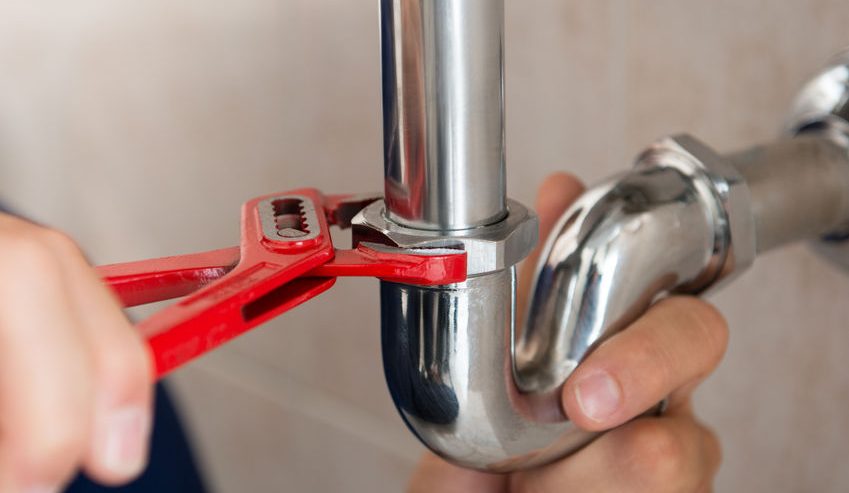
While DIY repairs can be tempting, there are situations where professional assistance is highly recommended. Licensed plumbers and water damage specialists bring experience, tools, and knowledge that ensure repairs are thorough and long-lasting. However, basic leaks, like a dripping faucet or minor pipe joint issues, can often be managed by homeowners with proper guidance. Necessary tools may include pipe wrenches, sealants, replacement hoses, and leak detection kits. Attempting repairs without sufficient skill or tools can lead to worsening damage and higher repair costs. Understanding the difference between manageable DIY tasks and those requiring professional intervention is key to effective water leakage repair.
Preventive measures are crucial for avoiding water leaks and the associated problems. Routine maintenance of plumbing systems, including checking pipes, valves, and connections, can prevent leaks before they occur. Seasonal inspections of roofs and gutters help identify weak spots or blockages that could lead to leaks. Installing water leak detection systems, such as smart sensors and automatic shutoff valves, adds a layer of protection. Proper landscaping and drainage management ensure that water is directed away from foundations, reducing the risk of seepage. Choosing durable, high-quality plumbing materials and professional installation also contributes to long-term leak prevention. Homeowners who implement these preventive strategies often experience fewer repairs and lower costs over time.
Repairing water leaks involves financial considerations that vary depending on the severity and location of the problem. Factors affecting costs include the type of leak, the materials needed for repair, and whether professional services are required. For example, replacing a major pipe or repairing a foundation crack will be more expensive than patching a minor roof leak. Comparing the costs of repair versus full replacement can help property owners make informed decisions. Insurance coverage may apply in certain situations, such as sudden and accidental leaks, but not for gradual or maintenance-related issues. Budgeting for preventive maintenance, including inspections and minor repairs, can reduce the likelihood of expensive emergency repairs. Understanding these factors ensures that water leakage repair is both effective and financially manageable.
Frequently Asked Questions
How can I tell if I have a hidden water leak in my home?
Hidden leaks can be detected through unexplained water bills, damp odors, mold growth, or warped floors. Smart leak detectors and thermal imaging cameras can also identify leaks behind walls or under floors.
Are water leak detectors reliable for early detection?
Yes, modern water leak detectors are highly reliable. They can alert homeowners to leaks immediately, reducing the risk of extensive damage.
Can I repair a leaking pipe myself, or should I hire a professional?
Minor leaks, like a dripping faucet or small pipe joint issues, can be handled with DIY repairs. However, extensive damage, hidden leaks, or foundation issues require professional attention.
How long does water leakage repair typically take?
Repair time depends on the severity of the leak. Minor repairs can be completed in a few hours, while major plumbing, roof, or foundation repairs may take several days.
Will water leakage affect my home insurance coverage?
Insurance policies vary, but sudden leaks caused by accidents are often covered. Gradual leaks due to lack of maintenance are usually not included, so it is important to review your policy carefully.
Takeaway
Water leakage repair is essential for protecting your home, property, and health. Early detection, effective repair techniques, and preventive measures can save homeowners significant time and money. Whether addressing minor leaks yourself or hiring professional plumbers for complex issues, understanding the causes, signs, and solutions of water leakage ensures a safe and well-maintained property. Regular inspections, high-quality materials, and modern detection tools are key to minimizing water-related damage. Staying proactive in managing leaks not only safeguards your investment but also provides peace of mind for your family or tenants.